

What is the impact of fulvestrant 250 mg on eye health?
Hey there! As a supplier of fulvestrant 250 mg, I've gotten a lot of questions about its impact on eye health. So, I thought I'd dive deep into this topic and share what I've learned.
First off, let's understand what fulvestrant 250 mg is. Fulvestrant is a medication used in the treatment of hormone - receptor - positive metastatic breast cancer in post - menopausal women. It works by blocking the estrogen receptors in breast cancer cells, which helps slow down or stop the growth of these cancer cells.
Now, onto the main question: What's the impact of fulvestrant 250 mg on eye health? Well, like any medication, fulvestrant can have side effects, and some of these might affect the eyes.
Possible Eye - Related Side Effects
One of the potential side effects that have been reported in some patients taking fulvestrant is blurred vision. Blurred vision can be quite a nuisance. It makes it hard to read, drive, or even recognize faces clearly. In some cases, it might be a mild and temporary issue that goes away on its own as the body adjusts to the medication. However, in other cases, it could be more persistent.
Another reported side effect is dry eyes. Our eyes need a certain amount of moisture to function properly. When the eyes become dry, they can feel itchy, irritated, and even painful. Dry eyes can also lead to redness and a gritty feeling, as if there's something in the eye. This can be particularly uncomfortable, especially for those who spend a lot of time looking at screens or in dry environments.
Some patients have also reported experiencing eye pain. Eye pain can range from a dull ache to a sharp, stabbing pain. It can be intermittent or constant, and it might be accompanied by other symptoms like sensitivity to light or headaches. If you're experiencing eye pain while taking fulvestrant, it's important to get it checked out by an eye doctor right away.
How Common Are These Side Effects?
The good news is that these eye - related side effects are not extremely common. Most patients taking fulvestrant 250 mg don't experience any major eye problems. The exact incidence of these side effects can vary depending on a number of factors, including the patient's overall health, other medications they're taking, and their genetic makeup.
However, it's still important to be aware of these potential side effects. If you're starting treatment with fulvestrant 250 mg, it's a good idea to have a comprehensive eye exam before you begin. This can help your doctor establish a baseline for your eye health and make it easier to detect any changes that might occur during treatment.
What Can You Do If You Experience Eye Problems?
If you notice any changes in your vision, such as blurriness, or if you have symptoms like dry eyes or eye pain while taking fulvestrant 250 mg, the first thing you should do is talk to your doctor. Your doctor might adjust your dosage of fulvestrant or recommend other treatments to manage the side effects.
For dry eyes, over - the - counter artificial tears can often provide relief. These eye drops can help lubricate the eyes and reduce the discomfort associated with dryness. Make sure to choose a preservative - free option if you have sensitive eyes.
If you're experiencing blurred vision or eye pain, your doctor might refer you to an ophthalmologist. An ophthalmologist is a medical doctor who specializes in eye care and can perform a more in - depth evaluation of your eyes. They can determine the cause of the problem and recommend appropriate treatment.
Other Considerations
It's also important to note that some patients might be more at risk of developing eye problems while taking fulvestrant. For example, if you already have pre - existing eye conditions like glaucoma or cataracts, you might be more likely to experience complications. In these cases, your doctor will need to monitor your eye health more closely during treatment.
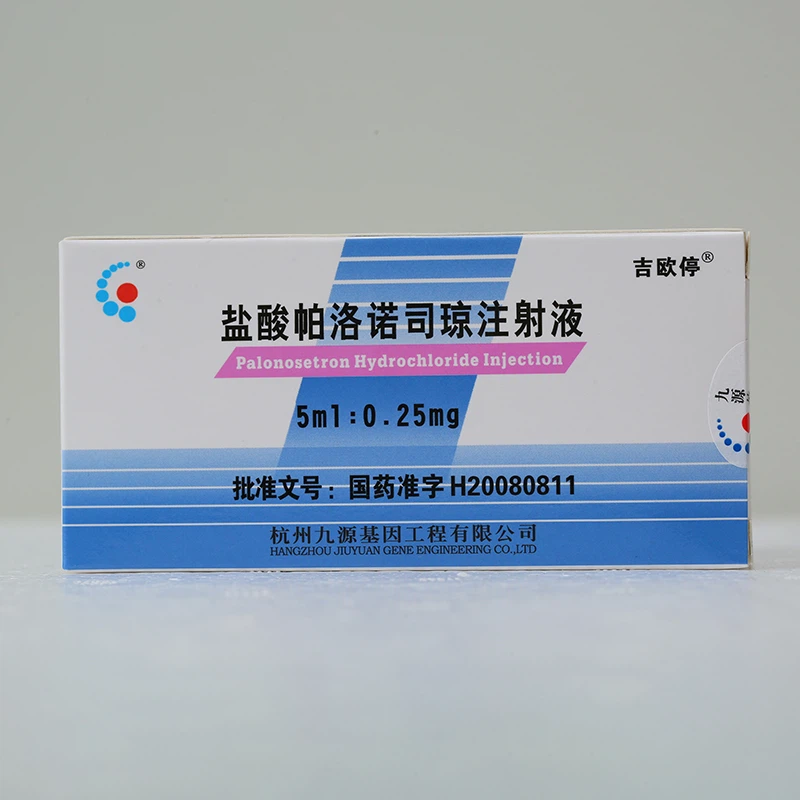
Also, keep in mind that while fulvestrant is used to treat breast cancer, it's not the only medication out there. There are other drugs available in the market that can be used in combination with or as an alternative to fulvestrant. For instance, RhIL - 11 Injection(Oprelvekin), CAS No.: 145941 - 26 - 0, (Recombinant Human Interleukin - 11) – A Drug To Increase Platelet Count, RhIL - 11 Injection Lyophilized Powder (vial): 0.75mg/vial, 1.5mg/vial, 3mg/vial is a drug used to increase platelet count, which can be useful in cancer treatment. And Fosaprepitant Dimeglumine Injection, CAS No.: 265121 - 04 - 8, Bulk and Injection(vial)150mg/5ml and Palonosetron Hydrochloride Injection– Anti - emesis After Chemotherapy Or Radiotherapy, CAS No.: 135729 - 62 - 3, Palonosetron Hydrochloride Injection 0.25mg/5ml, 0.075mg/1.5ml are used to manage nausea and vomiting associated with chemotherapy.
Conclusion
In conclusion, while fulvestrant 250 mg is an effective medication for treating hormone - receptor - positive metastatic breast cancer, it can have some potential impacts on eye health. Blurred vision, dry eyes, and eye pain are among the possible side effects, although they're not very common. If you're taking fulvestrant or considering it, it's crucial to stay vigilant about your eye health and report any changes to your doctor right away.

If you're a medical professional or a patient interested in purchasing fulvestrant 250 mg, feel free to reach out to me. I'm here to provide you with high - quality products and answer any questions you might have. Let's work together to ensure the best possible treatment outcomes.
References
- Product information leaflet of fulvestrant 250 mg
- Medical research articles on the side effects of fulvestrant
- Clinical trials data related to fulvestrant treatment