


Oncology Injection
Oncology injections refer to injectable pharmaceutical products that are used in the treatment of cancer and other oncological conditions. These injections play a crucial role in the management of various types of cancer.
Why Choose Us?
Rich Experience
Hangzhou Jiuyuan Gene Engineering Co., Ltd. is a modern biopharmaceutical company, specialized in R&D, manufacture and sales of gene engineering, biochemical, chemical drugs and medical device.
Professional Technical Team
Jiuyuan Marketing cultivates a professional, dedicated and enterprising pharmaceutical service team, establishes a stable, credible and efficient pharmaceutical service network, and focuses on timely delivery of high-quality pharmaceutical products which are the crystallization of scientific research, quality control and production.
Wide Product Range
The company has actively propelled the progress of biopharmaceutical industrialization, gradually developed a series of products including jilifen, jipailin, jijufen, yinuojia, jiouting and guyoudao and so on.
Wide Market
Marketing network spreads over the country more than 30 provinces and cities. The industrial map continues to extend, and the company's products export to Asia, South America, Europe, Africa and many other countries.
-
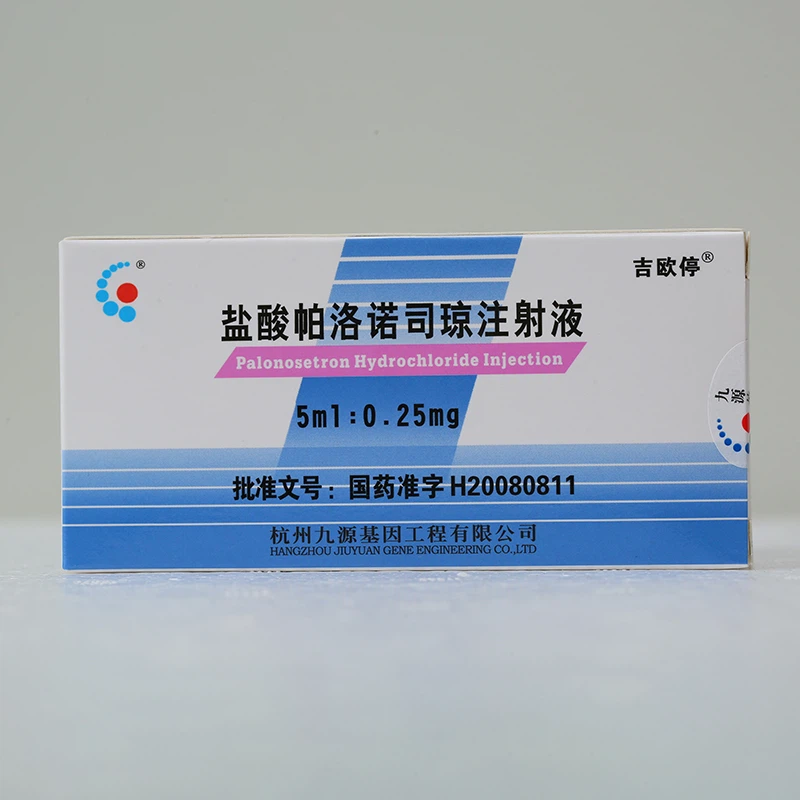
Palonosetron Hydrochloride Injection– Anti-emesis After Chemotherapy Or Radiotherapy, CAS No.: 135729-62-3, Palonosetron Hydrochloride Injection 0.25mg/5ml, 0.075mg/1.5ml
Generic Name: Palonosetron Hydrochloride injection. The quality and efficacy consistency of generic drugs were evaluated.. The second generation 5-HT3 receptor antagonist, super antagonistic, long -
-
RhIL-11 Injection(Oprelvekin), CAS No.: 145941-26-0, (Recombinant Human Interleukin-11) – A Drug To Increase Platelet Count, RhIL-11 Injection Lyophilized Powder (vial): 0.75mg/vial, 1.5mg/vial, 3mg/vial
Generic Name: Oprelvekin. Trade Name: JIJUFEN. Chemical Name: Human Interleukin-11 for Injection. The only drug approved by FDA for prevention and treatment of Chemoradiotherapy-induced
-
RhG-CSF Injection(Filgrastim) (Recombinant Human Granulocyte Colony-Stimulating Factor) – A Drug To Increase White Blood Cell Count, CAS No.: 121181-53-1
Generic Name: Filgrastim. Trade Name: JILIFEN. Chemical Name: Human Granulocyte-Colony Stimulating Factor (hG-CSF) Injection.
-
Fulvestrant– An Anti-cancer Drug ,CAS No.: 129453-61-8
Fulvestrant is a prescription medicine used to treat advanced breast cancer or breast cancer that has spread to other parts of the body (metastatic).
-
Daratumumab (with Recombinant Human Hyaluronidase)injection, CAS No.: 945721-28-8
Name: Daratumumab (with recombinant human hyaluronidase). CD38 inhibitor with recombinant human hyaluronidase. INDICATIONS: Multiple myeloma
-
SIRPα- Specific Monoclonal Antibody
Name: SIRPα. - Specific monoclonal antibody. INDICATIONS: Solid tumors
-
Romosozumab Injection - Osteoporosis, CAS: 909395-70-6
Name: Romosozumab injection . Sclerostin inhibitor. INDICATIONS: Osteoporosis
-
Fulvestrant Injection– An Anti-cancer Drug,CAS No.: 129453-61-8, Bulk and Injection (PFS): 250mg in 5ml
Fulvestrant is a prescription medicine used to treat advanced breast cancer or breast cancer that has spread to other parts of the body (metastatic).
-
PegFilgrastim Injection– A Long Lasting RhG-CSF, CAS No.: 208265-92-3,Bulk and Injection (PFS): 6mg in 0.6ml
Pegfilgrastim (pegfilgrastim) is a colony-stimulating factor, a man-made form of a protein that stimulates the growth of white blood cells, used to decrease the incidence of infection, by treating
-
Fosaprepitant Dimeglumine Injection, CAS No.: 265121-04-8,Bulk and Injection(vial)150mg/5ml
Fosaprepitant dimeglumine for injection is a sterile, lyophilized formulation containing fosaprepitant dimeglumine, a prodrug of aprepitant, a substance P/neurokinin-1 (NK1) receptor antagonist
-
Daratumumab Injection - Multiple Myeloma (CD-38 Mab), CAS No.: 945721-28-8
Hangzhou Jiuyuan is a top-biotech joint venture specializing in the research, development, manufacture, and marketing of pharmaceuticals based on gene engineering and biochemical technology since




Advantages of Oncology Injection
Highly effective drug
Oncology injection is a highly effective drug that has been shown to improve patient outcomes. Clinical studies have demonstrated that oncology injection us effective compared to other anti-cancer drugs, such as tamoxifen or anastrozole, for the treatment of hormone receptor-positive metastatic breast cancer.
Increase in white blood cell count
Oncology injection is designed to stimulate the production of white blood cells in the body, helping to fight off infections and diseases.
Improved immune system
The increase in white blood cell count helps to strengthen the immune system, making it easier for patients to fight off infections.
Reduced risk of infection
Patients who are suffering from conditions that affect white blood cell production are at a higher risk of developing infections. Our product reduces this risk, making it an essential tool in the battle against infectious diseases.
Types of Oncology Injection Used in Cancer Treatment



Chemotherapy
Chemotherapy oncology injections are chemical agents that work by destroying fast-growing cells in the body. Cancer cells grow and divide more rapidly than other cells. The goal of chemotherapy is to lower the total number of cancer cells in your body and reduce the chances that the cancer will spread to other parts of the body (metastasize).
Hormone therapy
Hormone therapy is used to treat cancers that rely on hormones to grow. This may include certain types of breast cancer and prostate cancer. Breast cancers may be fed by estrogen or progesterone, while prostate cancers often depend on the hormone androgen.
Targeted therapy
Targeted therapies are part of a new approach known as personalized medicine or precision medicine. Targeted therapies are able to seek out and kill cancerous cells without harming the normal cells in your body. These oncology injections work by blocking the molecular pathways that are critical to tumor growth.
Immunotherapy
Immunotherapy is a type of targeted therapy that uses the body’s own immune system to attack cancer cells. Cancer cells sometimes have strategic ways of hiding from your immune system, but immunotherapies work by blocking these mechanisms.
What Do Oncology Injection Treat?
Oncology injections are primarily used to treat cancer. Cancer specialists called medical oncologists often prescribe oncology injections, in addition to other cancer treatments — like surgery, radiation therapy, immunotherapy or targeted therapy — to fight cancer.
Oncology injections may be used to treat conditions other than cancer, including:
Autoimmune diseases: With an autoimmune disease, cells in your immune system attack healthy tissue in your body. By preventing cells from multiplying, chemotherapy can slow the immune cells harming your body.
Blood disorders: Blood disorders include conditions that involve your bone marrow making abnormal blood cells. With certain blood disorders, you may need a stem cell transplant to replace abnormal blood cells with healthy ones. Chemotherapy is often given before a transplant to destroy abnormal cells and make room for healthy cells.
What Are the Risks or Complications of Oncology Injections?
Oncology injections target cells that divide and reproduce rapidly. This means they harm cancer cells but also other fast-growing cells that aren’t cancer. The cells in your skin, hair follicles, mouth and digestive tract and blood-forming cells in your bone marrow are all fast-growing cells that oncology injections can damage. The damage can cause side effects, including:
● Fatigue.
● Diarrhea.
● Constipation.
● Hair loss.
● Mouth sores.
● Loss of appetite.
● Nausea and vomiting.
Oncology injections can also lower your blood cell count, putting you at risk for anemia and neutropenia. Neutropenia makes it harder for your immune system to fight infections.
Your risk of side effects depends on the drugs you’re receiving for chemo. Ask your healthcare provider what side effects are most common with the drugs you’re taking.
Chemotherapy side effects of oncology injection occur because oncology injection affect the quickly growing cancer cells. In this process, these drugs also affect the healthy cells in the body and can produce side effects by damaging these healthy cells. oncology injection may damage the healthy cells of different body organs such as the heart, lungs, kidneys, bladders, and nervous system. Some people experience only a few side effects whereas others may experience more side effects. The range of side effects also varies from one person to another. You must talk to your doctor about the side effects that you may likely experience with the oncology injection recommended for you.
Some side effects go away quickly but some side effects may last for a longer time. Sometimes the side effects of oncology injection may last for a lifetime. Some oncology injection may cause irreparable damage to the major organs of the body such as the kidneys, lungs, heart, and reproductive system. However, on a positive note, many oncology injection may not produce any side effects or produce very mild side effects. The side effects of oncology injection also depend on the time for which you have to take the oncology injection. Thus, you can also ask your doctor how long you have to take the oncology injection and when you can contact the team if you experience harmful effects from oncology injection.
How to Prevent Cancer?
Avoid Tobacco
The use of tobacco in various forms like smoking, chewing, etc has been related to a whole lot of cancers of different organs like lungs, throat, voice box, mouth, tongue, esophagus, stomach, colon, rectum, kidney, pancreas, liver, bladder, cervix, etc. Lung cancer is a leading cause of cancer-related deaths. Second-hand or passive smoke is also dangerous, meaning the people around the smoker are also at risk. The men and women who smoke put the elders as well as children near them at risk.
Follow a Healthy Diet
Include nutritious food like fruits, vegetables, whole grains, and greens in your diet. Avoid using processed meat. Do not eat high-calorie foods frequently. Refined sugar and fat from animal sources are especially not healthy choices. Similarly, foods with processed salt are not good for health. There are no supplements that can prevent cancer, so do not take any such supplements or medicines that make such claims.
Limit the Amount of Alcohol Intake
At least six types of cancers can be prevented if drinking alcohol is avoided or at least curtailed.
Be physically active
It is necessary to be physically active to avoid cancer of the lung, kidneys, colon, prostate, breasts, etc. Moderate or vigorous physical activity can help maintain your weight. Do some kind of exercise at least for half an hour a day.
Avoid unprotected sex
Human papilloma virus (HPV) infection is a common cause of cervical cancer and this infection can occur due to unprotected sex. Hepatitis can also be transmitted by unprotected sexual intercourse.
Protect Yourself by Taking Vaccines
Vaccines to protect against the HPV virus are available. Similarly, the vaccine for hepatitis B can reduce the risk of liver cancer. Both HPV and Hepatitis B are transmitted mostly in sexually active adults. Also, those who are exposed to blood or other body fluids are at a high risk to get these infections. It is advisable to take these vaccines to protect against some cancers.
Get regular screening done
Screening is available for breast, colon, and cervical cancers.
Do not neglect symptoms
It is necessary to be aware of cancer signs and symptoms and consult a doctor in such cases. Early diagnosis increases the chances of getting cured to a greater extent. The process becomes a lot easier and you do not have to undergo prolonged and painful treatments.
How Oncology Injection Work
Oncology injection kill cancer cells by stopping them from growing and multiplying. If the cells can’t grow and multiply, they usually die. Some oncology injection work during a specific stage of the cell cycle. One of the reasons chemotherapy is given in treatment cycles is to deliver drugs when they will be the most effective. Treatment periods are often alternated with rest periods to allow your body time to get stronger before the next round or “cycle” of chemotherapy.
While oncology injection effectively attack cancer cells that grow and replicate quickly, oncology injection also attack some normal healthy cells that grow and replicate quickly, such as blood cells, cells in the hair follicles, and cells in the lining of the digestive tract. This unfortunately is the cause of many of the side effects commonly associated with chemotherapy, such as hair loss, nausea, vomiting, diarrhea, and low blood-cell counts. These side effects lead to an increased risk of infection, fatigue and bleeding. Fortunately, these rapidly dividing healthy cells are usually able to repair themselves after chemotherapy has ended.
Your immune system involves the many organs and tissues of the lymphatic system and several types of white blood cells. Normally, your immune system attacks foreign or abnormal cells, but cancer cells are sneaky and can “hide” from the immune system to avoid detection. Immunotherapy, also called biotherapy, uses drugs that go after the ability of cancer cells to hide from your immune system. Some immunotherapy drugs mark the cancer cells, allowing the immune system to find and destroy them.
This class of drugs works by interfering with certain molecules or “targets” that are key to the cancer cells’ ability to grow and spread. Where oncology injection aim to kill cancer cells directly, targeted therapies focus on blocking the cancer cells’ growth, with less harm to normal cells. Most targeted therapies are either monoclonal antibodies, which attach to proteins on the outside of the cancer cell, or small molecules, which target specific proteins inside the cancer cells. Researchers continually look for new “targets” on or within the cancer cells for these therapies.
How Do I Take Oncology Injection?
Catheters
These soft, thin tubes hold the liquid oncology injection. They go in one of the larger blood vessels in your body, such as in your chest. And they stay in your body between treatments so you don’t have to get stuck with a needle every time. Depending on the type of cancer you have or the treatment you need, you might get a catheter that goes near your spinal cord. Other kinds go into a hollow space in your chest, belly, or pelvis. Once the oncology injections are injected, your doctor will remove this kind of catheter.
Ports
These are small metal or plastic discs that your nurse places under your skin and connects to a vein. Once yours is in, you'll be able to feel it, but it shouldn’t hurt you. Then they’ll put a needle into the port to deliver your oncology injection. This needle can stay in the port if your session lasts more than one day. Your doctor can take the port out once you’re finished with treatment.
Pumps
These devices control how much of the oncology injection you’re getting. They’re attached to either ports or catheters, and can be either outside or inside your body. You can carry an external pump around with you during the weeks you’re having treatment.
Our Factory
Hangzhou Jiuyuan Gene Engineering Co., Ltd. is a modern biopharmaceutical company, specialized in R&D, manufacture and sales of gene engineering, biochemical, chemical drugs and medical device. The company was founded in December 1993 as a member of Huadong Medicine Group, and became one of the earliest gene engineering pharmaceutical enterprises in Zhejiang province as well as in China. The company always upholds the concept "Taking gene engineering as orientation, Rendering service to human health", to pursue innovation and to strive for excellence.

Our Certifications
National New High-tech Enterprise
Key New High-tech Enterprise of National Torch Plan
National superior enterprise of intellectual property
Provincial New High-tech Research & Development Center
Zhejiang Provincial Enterprise Technology Center
Zhejiang Famous Trademark
Zhejiang Jiuyuan Gene Engineering Biopharmaceutical Research Institute
Zhejiang province per mu benefit leading enterprises
Gene-engineering New Drug R&D Technology and Service Sub-platform
Provincial Post-doctoral Scientific Research Working Center
Excellent industrial products in Zhejiang Province
Hangzhou Academician Expert Working Center
Hangzhou Top Ten New High-tech Enterprise
Zhejiang Green Enterprise


Ultimate FAQ Guide to Oncology Injection
Q: What is the injection given to cancer patients?
Q: Do cancer injections hurt?
Q: Is chemo injection painful?
Q: What is the seven minute cancer injection?
Q: What is the new cancer injection treatment?
Q: How long does chemo stay in your body?
Q: How are oncology injections monitored and evaluated for safety and efficacy?
Q: What role do immunotherapy injections play in cancer treatment?
Q: How are the dosages of oncology injections determined?
Q: How are oncology injections handled and stored to ensure safety?
Q: How do targeted therapy injections differ from traditional chemotherapy injections?
Q: What are oncology drugs for cancer?
Q: Is there a final cure for cancer?
Q: How are oncology injections typically administered?
Q: What are the advantages of using oncology injections compared to other cancer treatments?
Q: Why are oncology injection effective?
We're well-known as one of the leading oncology injection manufacturers and suppliers in China. We warmly welcome you to wholesale bulk high quality oncology injection at competitive price from our factory. Good service and punctual delivery are available.
malignant tumor promotion injection, tumor promotion injection, tumor specification injection