

How long does it take for Fulvestrant injection to work?
Fulvestrant injection is a well - known treatment option in the field of oncology, especially for hormone - receptor - positive breast cancer. As a supplier of Fulvestrant injection, I often get asked the question: “How long does it take for Fulvestrant injection to work?” Let's dig deep into this topic.
Understanding Fulvestrant Injection
First off, let's understand what Fulvestrant is. It's an estrogen receptor antagonist. In simple terms, it blocks the effects of estrogen on breast cancer cells. Estrogen can fuel the growth of hormone - receptor - positive breast cancer cells. By blocking the estrogen receptors, Fulvestrant helps slow down or stop the growth of these cancer cells.
Factors Affecting How Long It Takes to Work
There isn't a one - size - fits - all answer to how long Fulvestrant takes to work. Several factors come into play:
Cancer Stage
If the cancer is in an early stage, Fulvestrant might start showing effects sooner. In early - stage hormone - receptor - positive breast cancer, the tumor burden is relatively lower. So, the drug can more effectively target the cancer cells. On the other hand, in advanced or metastatic breast cancer, where the cancer has spread to other parts of the body, it may take longer for the drug to have a visible impact.
Patient's Overall Health
A patient's general health also matters. Someone with a strong immune system and overall good health may respond better and faster to Fulvestrant. Other health conditions, like diabetes or heart disease, can potentially slow down the body's ability to metabolize the drug and respond to treatment.
Previous Treatments
If a patient has had prior treatments for breast cancer, such as chemotherapy or other hormonal therapies, it can affect how quickly Fulvestrant works. Some patients may have developed resistance to certain treatments, which could either delay the response to Fulvestrant or make it less effective.
Typical Timeframes
In most cases, doctors start to see some biological changes in the body within a few weeks of starting Fulvestrant treatment. However, these changes may not be obvious to the patient. For example, there might be a decrease in the levels of certain cancer - related markers in the blood.
Clinically significant responses, like a reduction in tumor size, usually take a bit longer. It can take anywhere from 2 to 3 months of regular Fulvestrant injections to start seeing a visible shrinkage of tumors on imaging tests, such as CT scans or MRIs.

It's important to note that some patients may respond more quickly, while others may take longer. Continuous treatment is key, as Fulvestrant works gradually over time to control the growth of cancer cells.
Monitoring the Response
Doctors closely monitor patients during Fulvestrant treatment. They use a combination of methods to assess how well the drug is working.
Blood Tests
Regular blood tests are done to check for changes in the levels of tumor markers. These markers can give an indication of how the cancer is responding to treatment. For example, a decrease in the levels of a particular tumor marker may suggest that the cancer is being controlled.
Imaging Tests
As mentioned earlier, imaging tests like CT scans, MRIs, and ultrasounds are used to directly visualize the tumors. These tests can show if the tumors are shrinking, staying the same size, or growing.
Physical Examinations
Doctors also perform physical examinations to check for any changes in the breasts or other areas where the cancer may have spread. They look for lumps, changes in skin texture, or any other signs that may indicate the progress of the disease.
Our Other Oncology Products
At our company, we don't just supply Fulvestrant injection. We also offer a range of other high - quality oncology products. For instance, we have the SIRPα - Specific Monoclonal Antibody. This product has shown great potential in targeting specific cancer - related pathways.
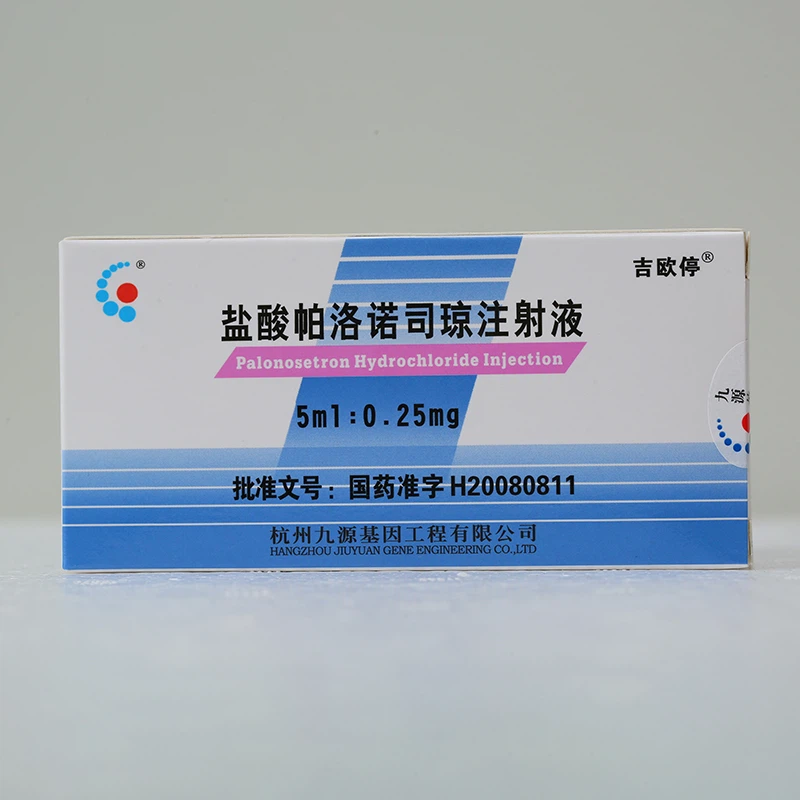
Another product in our portfolio is the Palonosetron Hydrochloride Injection– Anti - emesis After Chemotherapy Or Radiotherapy, CAS No.: 135729 - 62 - 3, Palonosetron Hydrochloride Injection 0.25mg/5ml, 0.075mg/1.5ml. It's a great solution for patients who experience nausea and vomiting as a side - effect of chemotherapy or radiotherapy.
We also have Fosaprepitant Dimeglumine Injection, CAS No.: 265121 - 04 - 8, Bulk and Injection(vial)150mg/5ml, which is used in preventing chemotherapy - induced nausea and vomiting.
Encouraging Contact for Procurement
If you're in the market for high - quality oncology products, including Fulvestrant injection, don't hesitate to reach out. Whether you're a hospital, a clinic, or a distributor, we're here to meet your needs. We offer competitive prices, reliable supply, and excellent customer service. Contact us today to start a procurement discussion and see how we can help you with your oncology product requirements.
References
- National Cancer Institute. (2023). Hormone Therapy for Breast Cancer. Retrieved from the official website of the National Cancer Institute.
- American Society of Clinical Oncology. (2023). Guidelines for the Treatment of Hormone - Receptor - Positive Breast Cancer. Retrieved from the official website of the American Society of Clinical Oncology.