

How does Daratumumab injection affect the immune system?
Hey there! As a supplier of Daratumumab injection, I've had plenty of conversations with folks curious about how this medication affects the immune system. So, let's dive right in and break it down.
First off, what's Daratumumab injection all about? It's a monoclonal antibody, which is a type of lab - made protein. This injection is mainly used to treat certain types of multiple myeloma, a cancer of the plasma cells in the bone marrow. Plasma cells are an important part of our immune system as they produce antibodies to fight off infections.
When it comes to how Daratumumab impacts the immune system, it's a bit of a double - edged sword, but mostly in a good way when it comes to cancer treatment.
Direct Effects on Cancer Cells
Daratumumab works by targeting a protein called CD38, which is highly expressed on the surface of multiple myeloma cells. When the injection is administered, the Daratumumab antibodies bind to the CD38 proteins on the cancerous plasma cells. This binding sets off a series of events that lead to the destruction of these cancer cells.
One of the ways it does this is through a process called antibody - dependent cell - mediated cytotoxicity (ADCC). In ADCC, the Daratumumab - coated cancer cells are recognized by immune cells like natural killer (NK) cells. NK cells are part of our innate immune system, and they're like the body's first responders. Once they spot the Daratumumab - tagged cancer cells, they release toxic substances that kill the cancer cells.
Another mechanism is complement - dependent cytotoxicity (CDC). The binding of Daratumumab to CD38 on cancer cells activates the complement system, a group of proteins in our blood that work together to destroy foreign invaders. The complement proteins form pores in the cancer cell membrane, leading to cell lysis or death.
Impact on Normal Immune Cells
Now, CD38 isn't just found on cancer cells; it's also present on some normal immune cells, like certain types of lymphocytes, monocytes, and plasma cells. This means that Daratumumab can also have an effect on these normal immune cells.
Some studies have shown that long - term use of Daratumumab can lead to a decrease in the number of CD38 - positive immune cells. For example, there might be a reduction in the number of regulatory T cells, which help to keep the immune system in check and prevent it from overreacting. A decrease in these cells could potentially lead to an overactive immune response, but this is still being studied in detail.
On the other hand, the depletion of CD38 - positive plasma cells can also have an impact on antibody production. Since plasma cells are responsible for making antibodies, a decrease in their numbers might lead to a temporary reduction in the body's ability to produce specific antibodies. This could potentially make patients more susceptible to infections.
Boosting the Immune Response
Despite the potential negative impacts on some normal immune cells, Daratumumab can also enhance the overall immune response against cancer. By getting rid of the cancerous plasma cells, it removes a major obstacle that the immune system has to face. Cancer cells often have ways to evade the immune system, but Daratumumab helps to expose them and make them vulnerable to immune attack.
Moreover, the destruction of cancer cells releases tumor - associated antigens. These antigens can then be picked up by antigen - presenting cells (APCs), like dendritic cells. APCs present these antigens to other immune cells, such as T cells, which can then mount a more targeted immune response against the remaining cancer cells.
Real - World Implications
In the real world, patients receiving Daratumumab injection need to be closely monitored for any signs of infection. Doctors will often recommend vaccinations to help boost the immune system and prevent common infections. However, it's important to note that some live vaccines might not be suitable during treatment, as the weakened virus in the vaccine could potentially cause an infection in patients with a compromised immune system.
Now, if you're in the medical field and are interested in sourcing high - quality Daratumumab injection, we're here to help. We also offer other related products. For example, we have Fosaprepitant Dimeglumine Injection, CAS No.: 265121 - 04 - 8, Bulk and Injection(vial)150mg/5ml. This injection is useful in preventing nausea and vomiting caused by chemotherapy, which is often a side - effect in cancer treatment.
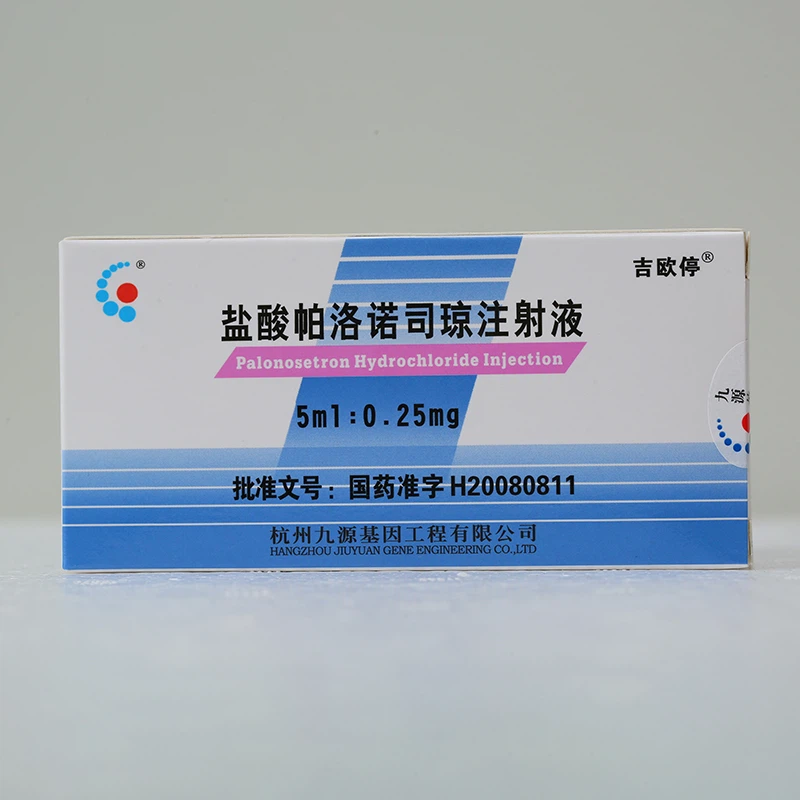
Another product is Fulvestrant – An Anti - cancer Drug, CAS No.: 129453 - 61 - 8. It's used to treat hormone - receptor - positive advanced breast cancer. And we also have Palonosetron Hydrochloride Injection – Anti - emesis After Chemotherapy Or Radiotherapy, CAS No.: 135729 - 62 - 3, Palonosetron Hydrochloride Injection 0.25mg/5ml, 0.075mg/1.5ml, which is great for preventing nausea and vomiting post - chemotherapy or radiotherapy.

If you're looking to purchase any of these products or have questions about Daratumumab injection, don't hesitate to reach out. We're always ready to have a chat and discuss your specific needs. We understand the importance of reliable and high - quality medications in the fight against cancer, and we're committed to providing just that.
References
- Moreau, P., Garfall, A. L., Cavo, M., & Anderson, K. C. (2016). Daratumumab: A novel therapy for multiple myeloma. Blood, 127(13), 1540 - 1547.
- Tai, Y. T., & Anderson, K. C. (2018). Daratumumab: A new era of targeted immunotherapy for multiple myeloma. Cancer Cell, 33(2), 204 - 215.
- Lonial, S., Vij, R., Kaufman, J. L., et al. (2015). Daratumumab monotherapy in patients with treatment - refractory multiple myeloma: a phase 1 - 2 dose - escalation and expansion study. Lancet, 385(9980), 2164 - 2172.