

Can children receive Oncology Injections?
Hey there! As an oncology injection supplier, I often get asked a really important question: Can children receive oncology injections? It's a topic that hits close to home for many families dealing with pediatric cancer, and it's crucial to understand the ins and outs.
First off, let's talk about why oncology injections are used in the first place. These injections are a key part of cancer treatment. They can help fight cancer cells directly, boost the immune system to better handle the effects of chemotherapy or radiation, or manage side - effects like nausea and vomiting.
When it comes to kids, the decision to use oncology injections isn't taken lightly. Pediatric oncologists have to consider a bunch of factors. One of the main things is the child's age. Younger kids may have different physiological responses compared to teenagers. For example, their organs are still developing, and their immune systems might be more sensitive.
The type of cancer also plays a huge role. Some cancers in children are more aggressive and require stronger treatments, while others may be more responsive to milder therapies. The overall health of the child is another factor. If a child has other underlying health conditions, it can impact how well they tolerate oncology injections.
Now, let's look at some specific oncology injections that are sometimes used in pediatric cases.
PegFilgrastim Injection– A Long Lasting RhG - CSF, CAS No.: 208265 - 92 - 3, Bulk and Injection (PFS): 6mg in 0.6ml is one such injection. It's a long - lasting recombinant human granulocyte colony - stimulating factor (rhG - CSF). In children undergoing chemotherapy, Pegfilgrastim can help increase the production of white blood cells. This is super important because chemotherapy often causes a drop in white blood cell counts, leaving the child more vulnerable to infections. By boosting the white blood cell count, Pegfilgrastim helps protect the child's immune system during treatment.

Another injection is Fosaprepitant Dimeglumine Injection, CAS No.: 265121 - 04 - 8, Bulk and Injection(vial)150mg/5ml. Nausea and vomiting are common side - effects of chemotherapy. Fosaprepitant Dimeglumine Injection is used to prevent these symptoms. For kids, dealing with nausea and vomiting can be really tough, and it can also affect their appetite and overall well - being. This injection helps make the chemotherapy experience a bit more bearable.
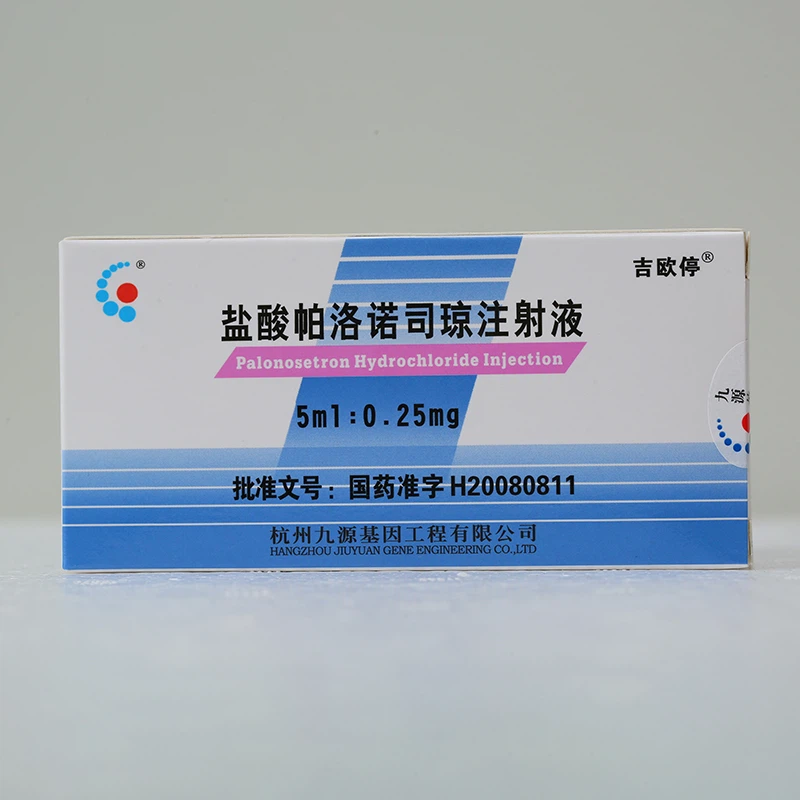
Palonosetron Hydrochloride Injection– Anti - emesis After Chemotherapy Or Radiotherapy, CAS No.: 135729 - 62 - 3, Palonosetron Hydrochloride Injection 0.25mg/5ml, 0.075mg/1.5ml is also used to manage nausea and vomiting after chemotherapy or radiotherapy. It's a great option for children because it has a long - lasting effect. This means that kids don't have to get multiple injections to control these symptoms, which can be a relief for both the child and the parents.
Of course, like any medical treatment, oncology injections for children come with potential risks. Side - effects can vary from mild to severe. Some common side - effects include fatigue, pain at the injection site, and changes in blood pressure. In more serious cases, there could be allergic reactions or long - term impacts on the child's health. That's why close monitoring by medical professionals is essential.
Pediatric oncologists will closely watch the child's vital signs, blood counts, and overall well - being during treatment. They'll also adjust the dosage of the injections as needed. Sometimes, they may even combine different oncology injections to get the best results while minimizing side - effects.
Parents also play a huge role in the process. They need to be informed about the treatment, the potential side - effects, and what to expect. They should communicate any concerns or changes in the child's behavior or health to the medical team right away.
In some cases, clinical trials are also an option for children with cancer. These trials can test new oncology injections or new ways of using existing ones. Participating in a clinical trial can give children access to cutting - edge treatments, but it also comes with its own set of risks and benefits.
So, to answer the question, yes, children can receive oncology injections, but it's a complex decision that involves a lot of careful consideration. The medical team, parents, and the child all need to work together to ensure the best possible outcome.
If you're a medical professional looking for high - quality oncology injections for your pediatric patients, or if you're a parent with questions about the products we offer, I'd love to have a chat. We're committed to providing safe and effective oncology injections. Reach out to us to start a discussion about your specific needs. We can talk about product details, pricing, and how we can support your treatment plans.
References
- American Academy of Pediatrics. (Year). Guidelines for Pediatric Cancer Treatment.
- National Cancer Institute. (Year). Pediatric Oncology Research and Treatment.
- World Health Organization. (Year). Cancer Treatment in Children.