

What urinary system side - effects can fulvestrant 250 mg cause?
Fulvestrant 250 mg is a well - known anti - cancer medication that has been widely used in the treatment of hormone - receptor positive metastatic breast cancer in postmenopausal women. As a supplier of Fulvestrant 250 mg, I understand the importance of providing comprehensive information about this drug, including its potential side effects. In this blog, we will focus on the urinary system side - effects that Fulvestrant 250 mg can cause.
Understanding Fulvestrant 250 mg
Before delving into the urinary system side - effects, it's crucial to have a basic understanding of Fulvestrant 250 mg. Fulvestrant is a selective estrogen receptor degrader (SERD). It works by binding to the estrogen receptor, blocking estrogen from binding to its receptor in breast cancer cells. This action leads to the degradation of the estrogen receptor, thereby inhibiting the growth of hormone - dependent breast cancer cells. You can find more information about it on this link: Fulvestrant– An Anti - cancer Drug ,CAS No.: 129453 - 61 - 8.
Urinary System Side - Effects of Fulvestrant 250 mg
1. Dysuria
Dysuria, or painful urination, is one of the possible urinary system side - effects associated with Fulvestrant 250 mg. The exact mechanism by which Fulvestrant causes dysuria is not fully understood. However, it is hypothesized that the drug may cause irritation to the urinary tract lining. This irritation can lead to a burning or stinging sensation during urination. Patients experiencing dysuria may find it difficult to empty their bladders completely, which can further exacerbate the discomfort. In some cases, dysuria may be accompanied by an increased frequency of urination.
2. Hematuria
Hematuria, the presence of blood in the urine, is another potential side - effect. It can range from microscopic hematuria, which can only be detected through laboratory tests, to gross hematuria, where the urine appears pink, red, or cola - colored. The occurrence of hematuria may be related to the drug's impact on the blood vessels in the urinary system. Fulvestrant may cause damage to the delicate blood vessels in the kidneys, bladder, or ureters, leading to the leakage of blood into the urine. Hematuria should always be taken seriously, as it can be a sign of more serious underlying conditions, such as kidney damage or bladder cancer.
3. Urinary Frequency and Urgency
Patients taking Fulvestrant 250 mg may experience an increase in urinary frequency, meaning they need to urinate more often than usual. This is often accompanied by urinary urgency, a sudden and intense need to urinate. These symptoms may be related to the drug's effect on the bladder muscles. Fulvestrant may cause the bladder muscles to contract more frequently and involuntarily, leading to a feeling of fullness and the urge to urinate. This can disrupt a patient's daily routine and may even lead to incontinence in severe cases.
4. Urinary Retention
Urinary retention is a less common but more serious side - effect. It occurs when a patient is unable to empty their bladder completely. This can be due to a variety of factors, including the drug's impact on the nerves that control bladder function or the relaxation of the bladder sphincter. Urinary retention can lead to discomfort, pain, and an increased risk of urinary tract infections. If left untreated, it can cause damage to the kidneys over time.
Risk Factors for Urinary System Side - Effects
Not all patients taking Fulvestrant 250 mg will experience urinary system side - effects. Several risk factors can increase the likelihood of these side - effects occurring.
1. Age
Older patients may be more susceptible to urinary system side - effects. As people age, the urinary system undergoes natural changes, such as a decrease in bladder capacity and a weakening of the bladder muscles. These age - related changes can make the urinary system more vulnerable to the effects of Fulvestrant.
2. Pre - existing Urinary Conditions
Patients with pre - existing urinary conditions, such as urinary tract infections, kidney stones, or bladder disorders, are at a higher risk. Fulvestrant may exacerbate these existing conditions, leading to more severe urinary system side - effects.
3. Concurrent Medications
The use of other medications alongside Fulvestrant can also increase the risk. Some drugs may interact with Fulvestrant, altering its metabolism or increasing its toxicity to the urinary system. For example, certain antibiotics or diuretics may interact with Fulvestrant and increase the likelihood of side - effects.
Management of Urinary System Side - Effects
If a patient experiences urinary system side - effects while taking Fulvestrant 250 mg, it is important to manage these symptoms promptly.
1. Symptomatic Treatment
For dysuria, over - the - counter pain relievers may be recommended to alleviate the discomfort. Drinking plenty of water can also help to flush out the urinary tract and reduce irritation. In cases of hematuria, the patient may need to be closely monitored, and further diagnostic tests may be required to determine the cause. Urinary frequency and urgency can be managed by timed voiding, where the patient urinates at regular intervals rather than waiting for the urge to urinate.
2. Adjusting the Treatment Plan
In some cases, the doctor may need to adjust the treatment plan. This could involve reducing the dose of Fulvestrant or switching to an alternative medication. However, this decision must be carefully weighed against the potential benefits of continuing with Fulvestrant treatment.

Other Related Oncology Drugs
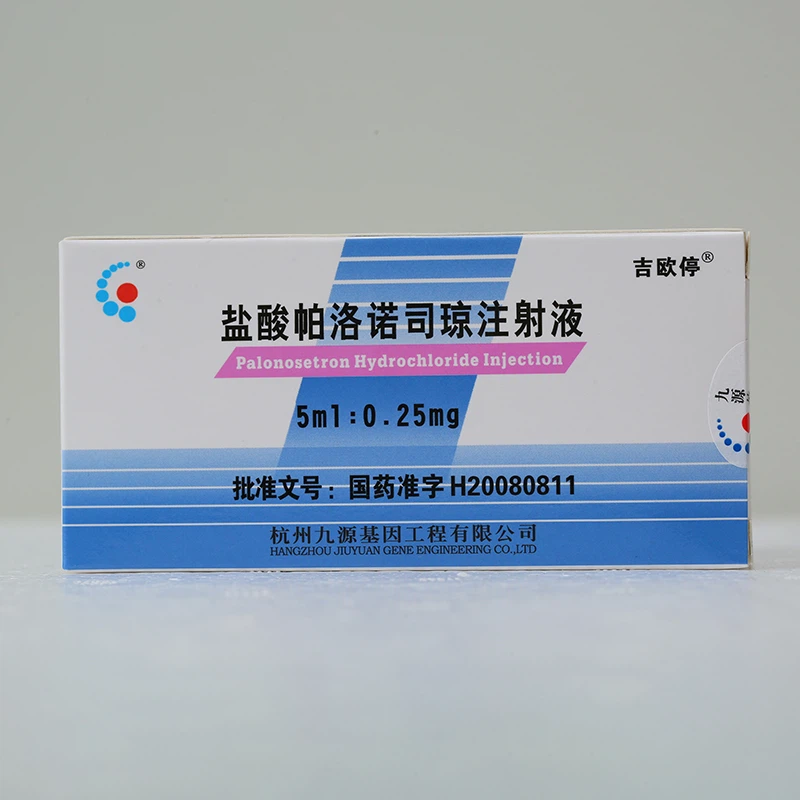
In addition to Fulvestrant, there are other oncology drugs that are often used in the treatment of cancer patients. For example, RhG - CSF Injection(Filgrastim) (Recombinant Human Granulocyte Colony - Stimulating Factor) – A Drug To Increase White Blood Cell Count, CAS No.: 121181 - 53 - 1 is used to increase the white blood cell count in patients undergoing chemotherapy. Another drug is Palonosetron Hydrochloride Injection– Anti - emesis After Chemotherapy Or Radiotherapy, CAS No.: 135729 - 62 - 3, Palonosetron Hydrochloride Injection 0.25mg/5ml, 0.075mg/1.5ml, which is used to prevent nausea and vomiting after chemotherapy or radiotherapy.
Conclusion
As a supplier of Fulvestrant 250 mg, we are committed to providing our customers with accurate and detailed information about this drug. While Fulvestrant is an effective treatment for hormone - receptor positive metastatic breast cancer, it can cause several urinary system side - effects, including dysuria, hematuria, urinary frequency and urgency, and urinary retention. Patients and healthcare providers should be aware of these potential side - effects and take appropriate measures to manage them.
If you are interested in purchasing Fulvestrant 250 mg or have any questions about our products, please feel free to contact us for further discussions. We are here to provide you with high - quality products and professional services.
References
- Osborne CK, Pippen JE Jr, Jones SE, et al. Randomized phase II trial of fulvestrant compared with anastrozole in postmenopausal women with advanced breast carcinoma. Cancer. 2004;101(6):1538 - 1546.
- Ellis MJ, Coop A, Singh B, et al. Fulvestrant, a novel estrogen receptor down - regulator, versus anastrozole in postmenopausal women with advanced breast cancer progressing after prior endocrine treatment. Ann Oncol. 2008;19(7):1282 - 1289.
- Mouridsen HT, Gershanovich M, Sun Y, et al. Superior efficacy of fulvestrant, 500 mg, versus anastrozole, 1 mg, as first - line therapy for advanced breast cancer in postmenopausal women: overall survival results from a phase III randomized study. J Clin Oncol. 2010;28(33):4594 - 4600.