

What is the mechanism of action of Fulvestrant injection?
Hey there! As a supplier of Fulvestrant injection, I often get asked about how this medication actually works. So, let's dive right into the mechanism of action of Fulvestrant injection.
First off, Fulvestrant is a drug used mainly in the treatment of hormone - receptor - positive metastatic breast cancer in post - menopausal women. To understand how it works, we need to know a bit about breast cancer and the role of hormones in it.
In many breast cancers, especially hormone - receptor - positive ones, the cancer cells have receptors for the female hormone estrogen. Estrogen can bind to these receptors on the cancer cells. When estrogen binds to its receptor, it sends signals to the cancer cells, telling them to grow and divide. This is like giving the cancer cells a green light to keep multiplying, which makes the tumor grow.
Fulvestrant is what we call a pure estrogen receptor antagonist. That's a fancy term, but it basically means that it blocks the estrogen receptors on the cancer cells. When Fulvestrant is injected into the body, it travels through the bloodstream and reaches the cancer cells. It then attaches to the estrogen receptors on these cells.

Once Fulvestrant is bound to the estrogen receptors, it does two important things. Firstly, it stops estrogen from binding to the receptors. Since estrogen can't bind, it can't send those growth - promoting signals to the cancer cells. So, the cancer cells lose one of their main drivers for growth.
Secondly, Fulvestrant actually causes the breakdown of the estrogen receptors. It promotes the degradation of these receptors in the cancer cells. This is a crucial step because without the receptors, the cancer cells become even more insensitive to estrogen. Even if there is some estrogen floating around in the body, the cancer cells don't have the receptors to "listen" to its growth signals.
The injection of Fulvestrant is usually given intramuscularly, which means it's injected into the muscle. This is a good way to get the drug into the bloodstream slowly and steadily. Once in the bloodstream, it can reach the tumor sites effectively.
Now, let's talk about some of the benefits of using Fulvestrant based on its mechanism of action. Since it specifically targets the estrogen receptors on cancer cells, it has a more targeted approach compared to some other cancer treatments. This can lead to fewer side effects on normal, non - cancerous cells in the body. For example, traditional chemotherapy drugs often attack all rapidly dividing cells, including hair follicles and cells in the digestive tract, which can cause hair loss and nausea. Fulvestrant, on the other hand, is more focused on the cancer cells with estrogen receptors.
Another advantage is that it can be used as a second - line treatment. If a patient's cancer has stopped responding to other hormone - based therapies, Fulvestrant can still be effective because of its unique way of blocking and degrading the estrogen receptors.
However, like any medication, Fulvestrant also has its limitations. Some cancer cells may develop resistance to it over time. The cancer cells might find other ways to grow and divide even without the estrogen - receptor pathway. But researchers are constantly working on ways to overcome this resistance.
In the field of oncology, there are also other interesting drugs available. For example, Romosozumab Injection - Osteoporosis, CAS: 909395 - 70 - 6 is used in the treatment of osteoporosis, which is related to bone health. In oncology, bone health can be a concern, especially for patients with metastatic breast cancer who may experience bone metastases.
Another drug is Daratumumab (with Recombinant Human Hyaluronidase)injection, CAS No.: 945721 - 28 - 8. It's used in the treatment of multiple myeloma, a type of blood cancer. It works by targeting a specific protein on the surface of the cancer cells, which is different from the mechanism of Fulvestrant.
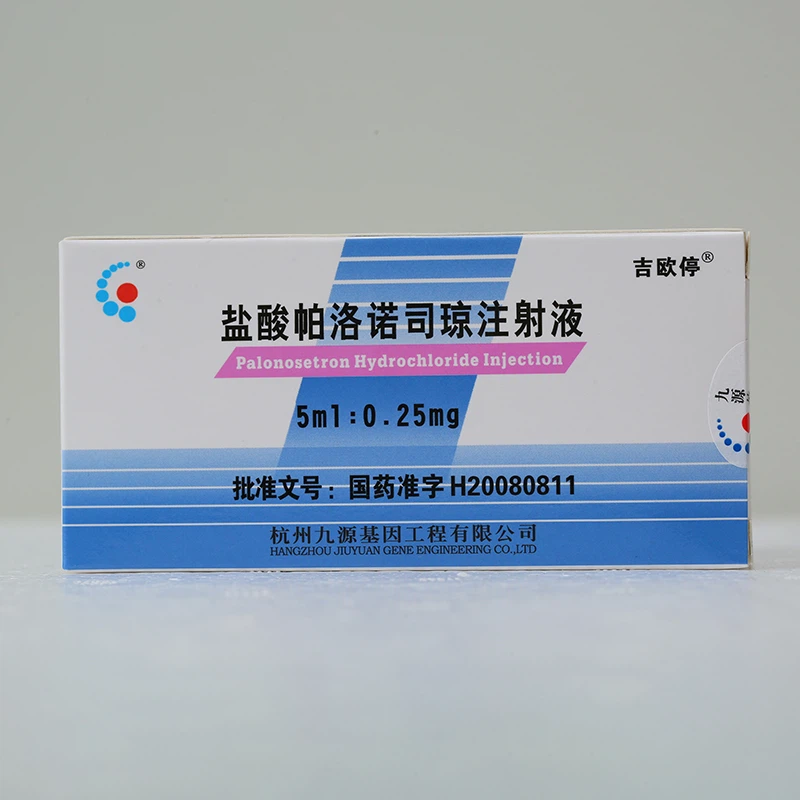
And Palonosetron Hydrochloride Injection– Anti - emesis After Chemotherapy Or Radiotherapy, CAS No.: 135729 - 62 - 3, Palonosetron Hydrochloride Injection 0.25mg/5ml, 0.075mg/1.5ml is an important drug for patients undergoing chemotherapy or radiotherapy. It helps prevent nausea and vomiting, which are common and unpleasant side effects of these cancer treatments.
If you're in the medical field, whether you're a doctor, a pharmacist, or involved in a healthcare institution, and you're interested in Fulvestrant injection for your patients or for your stock, I'd love to talk to you. We have high - quality Fulvestrant injection available, and we're committed to providing excellent service. Whether you need more information about the product, want to discuss pricing, or have any other questions, don't hesitate to reach out.
References
- Osborne CK, Pippen JE Jr, Arpino G, et al. Phase III randomized comparison of fulvestrant versus anastrozole in postmenopausal women with advanced breast cancer progressing on prior endocrine therapy. J Clin Oncol. 2004;22(12):2247 - 2255.
- Robertson JFR, Howell A, Muss HB, et al. Fulvestrant 500 mg versus anastrozole 1 mg for the first - line treatment of advanced breast cancer in postmenopausal women: overall survival results from the randomized phase III FALCON study. Ann Oncol. 2018;29(7):1635 - 1642.