

How do Oncology Injections interact with the body's hormones?
Hey there! As a supplier of oncology injections, I often get asked about how these injections interact with the body's hormones. It's a super interesting topic, and I'm excited to share what I know with you.
First off, let's understand the basics. Hormones are like the body's messengers. They're chemicals produced by various glands in the endocrine system and travel through the bloodstream to different organs and tissues, where they regulate a whole bunch of functions, like growth, metabolism, and reproduction. On the other hand, oncology injections are medications designed to treat cancer. They work in different ways, and some of them can have an impact on the body's hormonal balance.
One of the key ways oncology injections can interact with hormones is by targeting hormone - dependent cancers. For example, breast cancer in some cases is hormone - receptor positive, which means the cancer cells have receptors for hormones like estrogen and progesterone. When these hormones bind to the receptors, they can stimulate the growth of cancer cells. Some oncology injections are designed to block the production or action of these hormones.

Let's take a look at some specific oncology injections and how they interact with hormones.
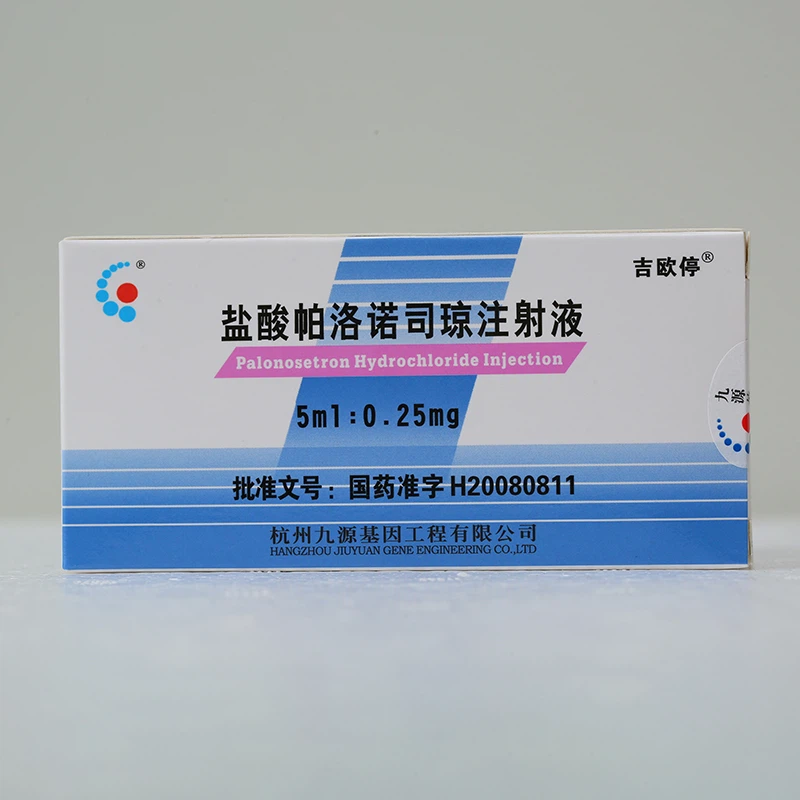
Palonosetron Hydrochloride Injection
Palonosetron Hydrochloride Injection Palonosetron Hydrochloride Injection– Anti - emesis After Chemotherapy Or Radiotherapy, CAS No.: 135729 - 62 - 3, Palonosetron Hydrochloride Injection 0.25mg/5ml, 0.075mg/1.5ml is mainly used to prevent nausea and vomiting caused by chemotherapy or radiotherapy. While it's not directly a hormone - targeted drug, the side effects of chemotherapy and radiotherapy can disrupt the body's hormonal balance. Chemotherapy can damage the cells in the body, including those in the endocrine glands. This can lead to a decrease in hormone production. For example, it might affect the thyroid gland, which produces hormones that regulate metabolism. When patients experience nausea and vomiting, it can also disrupt the normal functioning of the digestive system, which has some hormonal regulation. Palonosetron helps to control these symptoms, indirectly helping to maintain a more stable hormonal environment in the body. By reducing the stress on the body caused by nausea and vomiting, it allows the endocrine system to function more normally.
PegFilgrastim Injection
PegFilgrastim Injection PegFilgrastim Injection– A Long Lasting RhG - CSF, CAS No.: 208265 - 92 - 3, Bulk and Injection (PFS): 6mg in 0.6ml is a long - lasting form of recombinant human granulocyte colony - stimulating factor (rhG - CSF). It's used to increase the production of white blood cells in patients undergoing chemotherapy. Now, the production of white blood cells is regulated by a complex interplay of hormones and cytokines. The body has a feedback mechanism where low white blood cell counts can trigger the release of certain hormones and growth factors to stimulate the bone marrow to produce more white blood cells. PegFilgrastim mimics the action of these natural hormones and growth factors. It binds to specific receptors on the surface of cells in the bone marrow, which then stimulates the production and maturation of white blood cells. This process doesn't directly affect the major endocrine hormones like estrogen or testosterone, but it does interact with the body's internal signaling system that involves hormones and cytokines to maintain the immune system's function.
RhG - CSF Injection (Filgrastim)
RhG - CSF Injection (Filgrastim) RhG - CSF Injection(Filgrastim) (Recombinant Human Granulocyte Colony - Stimulating Factor) – A Drug To Increase White Blood Cell Count, CAS No.: 121181 - 53 - 1 is similar to PegFilgrastim in that it's also used to boost white blood cell production. The body's immune system is closely linked to the endocrine system. Hormones can affect the function and production of immune cells. For example, stress hormones like cortisol can suppress the immune system. Filgrastim works by acting on the bone marrow to increase the production of neutrophils, a type of white blood cell. This interaction with the bone marrow can be influenced by the body's hormonal state. For instance, certain hormones can affect the responsiveness of the bone marrow cells to Filgrastim. In a patient with a normal hormonal balance, the bone marrow may respond more efficiently to the injection, leading to a better increase in white blood cell count.
In some cases, oncology injections can also cause hormonal side effects. For example, some chemotherapy drugs can damage the ovaries or testes, leading to a decrease in the production of sex hormones. In women, this can result in early menopause, with symptoms like hot flashes, mood swings, and vaginal dryness. In men, it can lead to a decrease in testosterone levels, which can cause fatigue, loss of muscle mass, and decreased libido.
Another aspect to consider is the impact of oncology injections on the hypothalamic - pituitary - adrenal (HPA) axis. The HPA axis is a complex set of interactions between the hypothalamus, pituitary gland, and adrenal glands. It plays a crucial role in the body's stress response and the regulation of hormones like cortisol. Chemotherapy and oncology injections can put the body under a lot of stress, which can activate the HPA axis. Prolonged activation of the HPA axis can lead to an overproduction of cortisol, which can have a wide range of effects on the body, including weight gain, high blood pressure, and a weakened immune system.
It's also important to note that the interaction between oncology injections and hormones can vary from person to person. Factors like age, gender, overall health, and the type and stage of cancer can all influence how the body responds to these injections and how they affect the hormonal balance.
As a supplier of oncology injections, we're constantly working with researchers and medical professionals to understand these interactions better. We want to ensure that our products are not only effective in treating cancer but also have the least possible impact on the body's hormonal system.
If you're in the medical field and are interested in learning more about our oncology injections or are looking to purchase them for your patients, I'd love to have a chat with you. We can discuss the specific needs of your patients and how our products can fit into their treatment plans.
In conclusion, the interaction between oncology injections and the body's hormones is a complex and fascinating area of study. These injections can have both direct and indirect effects on the hormonal balance, and understanding these interactions is crucial for providing the best possible cancer treatment.
References
- American Cancer Society. (2023). Hormone Therapy for Cancer.
- National Cancer Institute. (2023). Understanding Cancer Series: Hormone Therapy.
- Mayo Clinic. (2023). Side Effects of Cancer Treatment: Hormonal Changes.