

Do Oncology Injections cause nausea and vomiting?
Oncology injections play a crucial role in the treatment of cancer, offering hope and improved outcomes for patients. However, one of the most common and distressing side effects associated with these injections is nausea and vomiting. As a leading supplier of oncology injections, I understand the concerns of both patients and healthcare providers regarding these adverse reactions. In this blog post, we will explore the relationship between oncology injections and nausea and vomiting, the underlying mechanisms, and the available strategies to manage these side effects.
Understanding the Link between Oncology Injections and Nausea/Vomiting
Nausea and vomiting are complex physiological responses that can be triggered by various factors, including the direct effects of chemotherapy drugs on the gastrointestinal tract, the stimulation of the chemoreceptor trigger zone (CTZ) in the brain, and psychological factors such as anxiety and anticipation of treatment. Many oncology injections contain chemotherapy agents that are known to cause nausea and vomiting. These drugs can damage the rapidly dividing cells in the lining of the gastrointestinal tract, leading to irritation and inflammation. This, in turn, can activate the vagus nerve, which sends signals to the brain to initiate the vomiting reflex.
Moreover, some chemotherapy drugs can directly stimulate the CTZ, a region in the brain that is sensitive to chemical signals in the bloodstream. When the CTZ is activated, it sends signals to the vomiting center in the brainstem, which coordinates the physical act of vomiting. The severity and frequency of nausea and vomiting can vary depending on several factors, including the type of chemotherapy drug, the dosage, the duration of treatment, and the individual patient's sensitivity.
Examples of Oncology Injections and Their Potential to Cause Nausea/Vomiting
Let's take a look at some specific oncology injections and their association with nausea and vomiting.

PegFilgrastim Injection– A Long Lasting RhG-CSF, CAS No.: 208265-92-3, Bulk and Injection (PFS): 6mg in 0.6ml
Pegfilgrastim is a long-acting form of recombinant human granulocyte colony-stimulating factor (rhG-CSF) that is used to prevent neutropenia, a common side effect of chemotherapy that can increase the risk of infection. While pegfilgrastim is generally well-tolerated, some patients may experience mild to moderate nausea and vomiting. These side effects are usually transient and can be managed with supportive care. You can learn more about Pegfilgrastim Injection here.
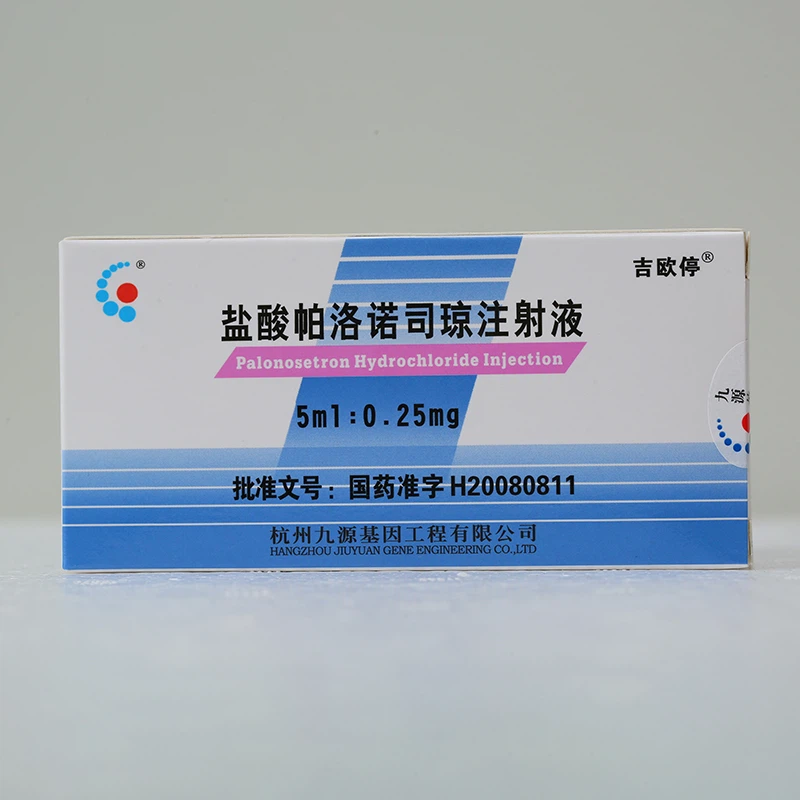
Palonosetron Hydrochloride Injection– Anti-emesis After Chemotherapy Or Radiotherapy, CAS No.: 135729-62-3, Palonosetron Hydrochloride Injection 0.25mg/5ml, 0.075mg/1.5ml
Palonosetron is a selective 5-HT3 receptor antagonist that is used to prevent nausea and vomiting associated with chemotherapy and radiotherapy. It works by blocking the action of serotonin, a neurotransmitter that is involved in the regulation of nausea and vomiting. Palonosetron is highly effective in preventing both acute and delayed nausea and vomiting, and it has a long half-life, which allows for once-daily dosing. To find out more about Palonosetron Hydrochloride Injection, click here.
SIRPα- Specific Monoclonal Antibody
SIRPα-specific monoclonal antibodies are a new class of immunotherapy drugs that are being investigated for the treatment of various types of cancer. While the exact side effect profile of these drugs is still being studied, early clinical trials have reported that some patients may experience nausea and vomiting as a result of treatment. These side effects are likely due to the immune-mediated response triggered by the monoclonal antibody. For more information on SIRPα- Specific Monoclonal Antibody, visit this page.
Strategies for Managing Nausea and Vomiting
The management of nausea and vomiting associated with oncology injections is an important aspect of cancer care. Healthcare providers typically use a combination of pharmacological and non-pharmacological approaches to prevent and treat these side effects.
Pharmacological Approaches
- Antiemetic Drugs: As mentioned earlier, drugs such as 5-HT3 receptor antagonists (e.g., palonosetron), neurokinin-1 (NK-1) receptor antagonists, and corticosteroids are commonly used to prevent and treat nausea and vomiting. These drugs work by targeting different pathways involved in the nausea and vomiting reflex.
- Prophylactic Treatment: In many cases, antiemetic drugs are given prophylactically, before the administration of chemotherapy, to prevent nausea and vomiting from occurring. This approach has been shown to be more effective than treating nausea and vomiting after they have already started.
Non-Pharmacological Approaches
- Dietary Modifications: Patients are often advised to eat small, frequent meals and to avoid foods that are high in fat, spicy, or greasy, as these can exacerbate nausea. Drinking clear fluids and staying hydrated is also important.
- Relaxation Techniques: Techniques such as deep breathing, meditation, and progressive muscle relaxation can help reduce anxiety and stress, which can contribute to nausea and vomiting.
- Acupuncture and Acupressure: Some studies have suggested that acupuncture and acupressure may be effective in reducing nausea and vomiting associated with chemotherapy.
The Role of the Supplier in Addressing Nausea and Vomiting
As a supplier of oncology injections, we are committed to providing high-quality products and supporting healthcare providers in the management of treatment-related side effects. We work closely with pharmaceutical companies to ensure that our products are safe and effective, and we provide comprehensive information on the potential side effects and management strategies.
We also offer educational resources and training programs to healthcare providers to help them stay up-to-date on the latest research and best practices in the management of nausea and vomiting. By working together, we can improve the quality of life for cancer patients and ensure that they receive the best possible care.
Conclusion
Nausea and vomiting are common and distressing side effects of oncology injections, but they can be effectively managed with a combination of pharmacological and non-pharmacological approaches. As a supplier of oncology injections, we are dedicated to supporting the healthcare community in addressing these challenges. If you are a healthcare provider or a patient interested in learning more about our oncology injection products or in discussing potential solutions for managing nausea and vomiting, we encourage you to reach out to us for a procurement discussion.
References
- American Cancer Society. (2023). Nausea and Vomiting During Cancer Treatment. Retrieved from [URL]
- National Comprehensive Cancer Network. (2023). NCCN Clinical Practice Guidelines in Oncology: Antiemesis. Retrieved from [URL]
- Smith, T. J., et al. (2016). Antiemetics: American Society of Clinical Oncology Clinical Practice Guideline Update. Journal of Clinical Oncology, 34(3), 324-338.