

Can rhIL - 11 injection vial be used for patients with liver disease?
Can rhIL - 11 injection vial be used for patients with liver disease?
As a supplier of rhIL - 11 injection vials, I often receive inquiries regarding the suitability of our product for patients with various medical conditions, especially liver disease. This blog aims to explore this crucial question from a scientific perspective.
Recombinant human interleukin - 11 (rhIL - 11) is a cytokine that plays a significant role in hematopoiesis. It stimulates the proliferation of hematopoietic stem cells and megakaryocyte progenitor cells, leading to an increase in platelet production. The rhIL - 11 injection vials we supply are designed to address thrombocytopenia, a condition characterized by low platelet counts, which can occur due to various factors such as chemotherapy, radiotherapy, or certain medical disorders.
When it comes to patients with liver disease, the situation becomes more complex. The liver is a vital organ responsible for numerous physiological functions, including metabolism, detoxification, and protein synthesis. Liver disease can disrupt these functions, potentially affecting the pharmacokinetics and pharmacodynamics of drugs.
Pharmacokinetics in Liver Disease
The liver is involved in the metabolism and elimination of many drugs. In patients with liver disease, the hepatic metabolism and clearance of drugs may be impaired. For rhIL - 11, it is important to understand how liver dysfunction can affect its absorption, distribution, metabolism, and excretion.
Absorption of rhIL - 11 is typically through subcutaneous injection. However, liver disease can cause alterations in the blood flow and tissue perfusion, which may influence the rate and extent of absorption. Distribution of the drug within the body may also be affected. The binding of rhIL - 11 to plasma proteins and its penetration into target tissues could be altered due to changes in plasma protein levels and tissue permeability associated with liver disease.
Metabolism of rhIL - 11 is not fully understood, but it is likely that the liver may play a role in its breakdown. In patients with liver disease, the reduced metabolic capacity may lead to an accumulation of rhIL - 11 in the body, potentially increasing the risk of adverse effects. Excretion of rhIL - 11 is mainly through the kidneys. However, liver disease can also affect renal function indirectly, as the liver - kidney axis is closely interconnected. Impaired liver function can lead to changes in renal blood flow and glomerular filtration rate, which may impact the elimination of rhIL - 11.
Pharmacodynamics in Liver Disease
The pharmacodynamic effects of rhIL - 11, primarily the stimulation of platelet production, may also be influenced by liver disease. The liver is involved in the synthesis of various proteins and cytokines that interact with the hematopoietic system. In liver disease, the production of these regulatory factors may be disrupted, which could modify the response to rhIL - 11.
For example, patients with liver disease may have altered levels of other cytokines and growth factors that can either enhance or inhibit the activity of rhIL - 11. Additionally, the bone marrow microenvironment, which is crucial for the action of rhIL - 11 on hematopoietic cells, may be affected by liver - related systemic changes such as inflammation and oxidative stress.
Clinical Considerations
In clinical practice, the decision to use rhIL - 11 injection vials in patients with liver disease should be based on a comprehensive assessment of the patient's condition. The severity of liver disease, the underlying cause of thrombocytopenia, and the overall health status of the patient need to be taken into account.
Mild liver disease may not significantly affect the use of rhIL - 11. In these cases, close monitoring of platelet counts and liver function tests is recommended. However, in patients with severe liver disease, the risks and benefits of using rhIL - 11 need to be carefully weighed. The potential for increased adverse effects, such as fluid retention, cardiac arrhythmias, and pulmonary edema, may be higher in patients with impaired liver function.
It is also important to consider the co - morbidity of liver disease and thrombocytopenia. In some cases, liver disease itself can cause thrombocytopenia due to factors such as splenomegaly, which sequesters platelets. In these situations, treating the underlying liver disease may be the primary approach, and the use of rhIL - 11 may need to be carefully evaluated.
Clinical Studies and Evidence
Although there is limited specific research on the use of rhIL - 11 in patients with liver disease, some general principles can be drawn from studies on drug use in liver - impaired patients. For example, studies on other drugs have shown that dose adjustments may be necessary in patients with moderate to severe liver disease.
Some case reports and small - scale studies have suggested that rhIL - 11 can be used with caution in patients with liver disease, but more large - scale, well - controlled clinical trials are needed to establish clear guidelines. These studies should focus on the safety and efficacy of rhIL - 11 in different stages of liver disease and in combination with other treatments.

Our Role as a Supplier
As a supplier of rhIL - 11 injection vials, we are committed to providing high - quality products and relevant information to healthcare professionals. We understand the importance of ensuring the safe and effective use of our products, especially in complex patient populations such as those with liver disease.
We work closely with researchers and medical experts to stay updated on the latest scientific findings regarding rhIL - 11. We also provide detailed product information, including warnings and precautions, to help healthcare providers make informed decisions.
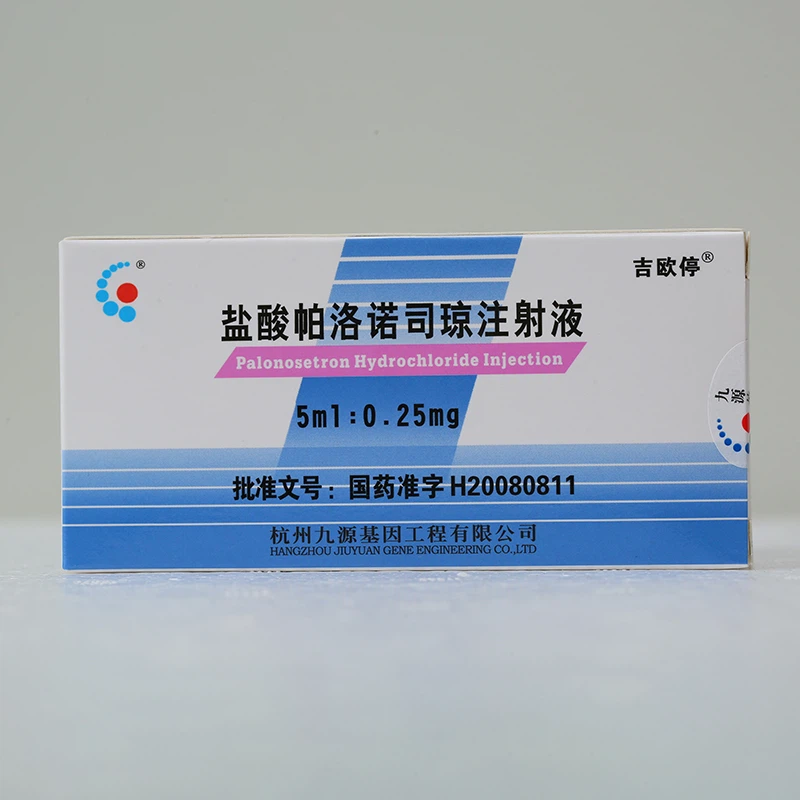
In addition to rhIL - 11 injection vials, we also offer other high - quality pharmaceutical products. For example, we supply Fulvestrant Injection– An Anti - cancer Drug,CAS No.: 129453 - 61 - 8, Bulk and Injection (PFS): 250mg in 5ml, which is used in the treatment of breast cancer. Another product is Palonosetron Hydrochloride Injection– Anti - emesis After Chemotherapy Or Radiotherapy, CAS No.: 135729 - 62 - 3, Palonosetron Hydrochloride Injection 0.25mg/5ml, 0.075mg/1.5ml, which helps to prevent nausea and vomiting caused by chemotherapy or radiotherapy. We also have PegFilgrastim Injection– A Long Lasting RhG - CSF, CAS No.: 208265 - 92 - 3,Bulk and Injection (PFS): 6mg in 0.6ml, which is used to stimulate the production of white blood cells.
Conclusion
In conclusion, the use of rhIL - 11 injection vials in patients with liver disease is a complex issue that requires careful consideration. While rhIL - 11 has the potential to address thrombocytopenia, the impact of liver disease on its pharmacokinetics, pharmacodynamics, and safety needs to be thoroughly evaluated. Healthcare providers should make individualized decisions based on the patient's specific condition, and more research is needed to establish clear guidelines.
If you are a healthcare professional interested in learning more about our rhIL - 11 injection vials or any of our other products, we encourage you to reach out to us for further discussion and potential procurement. We are dedicated to supporting the medical community in providing the best possible care to patients.
References
- Clinical Pharmacology of Drugs in Liver Disease. Lippincott Williams & Wilkins.
- Hematopoietic Cytokines: Biology and Clinical Applications. Marcel Dekker.
- Current Research on Recombinant Human Interleukin - 11 in Hematology. Journal of Hematology & Oncology.