

Can rhIL - 11 injection 1.5mg be used in patients with a history of stroke?
As a supplier of rhIL - 11 injection 1.5mg, I often encounter questions from medical professionals and patients regarding the safe and appropriate use of this product. One of the most pressing concerns is whether rhIL - 11 injection 1.5mg can be used in patients with a history of stroke. In this blog post, I will explore this question in depth, drawing on scientific research and clinical experience.
Understanding rhIL - 11 Injection
Recombinant human interleukin - 11 (rhIL - 11) is a thrombopoietic growth factor that stimulates the production of platelets in the body. The 1.5mg injection is commonly used to prevent severe thrombocytopenia (low platelet count) in patients undergoing chemotherapy for non - myeloid malignancies. By increasing platelet production, rhIL - 11 helps to reduce the risk of bleeding complications associated with chemotherapy - induced thrombocytopenia.
The Concern of Using rhIL - 11 in Stroke Patients
Stroke is a serious medical condition that occurs when the blood supply to part of the brain is interrupted, leading to brain cell damage. Patients with a history of stroke are at a higher risk of various cardiovascular and cerebrovascular events. When considering the use of rhIL - 11 injection in these patients, several factors need to be taken into account.
Mechanism of Action and Potential Risks
The primary function of rhIL - 11 is to stimulate the proliferation and differentiation of megakaryocytes, which are the precursor cells of platelets. While increasing platelet production is beneficial for preventing bleeding, it may also potentially increase the risk of thrombosis. Thrombosis is the formation of a blood clot inside a blood vessel, which can be particularly dangerous in patients with a history of stroke, as it may further disrupt blood flow and increase the risk of another stroke or other cardiovascular events.
Clinical Studies and Evidence
Several clinical studies have investigated the safety and efficacy of rhIL - 11 in different patient populations. However, specific data on the use of rhIL - 11 in patients with a history of stroke are limited. Some general studies on the side effects of rhIL - 11 have reported an increased incidence of cardiovascular events, including atrial arrhythmias and fluid retention. These side effects may be more pronounced in patients with pre - existing cardiovascular or cerebrovascular conditions, such as those with a history of stroke.
Individualized Risk - Benefit Assessment
In clinical practice, the decision to use rhIL - 11 injection 1.5mg in patients with a history of stroke should be based on an individualized risk - benefit assessment. The following factors should be considered:

- Time Since Stroke: The risk of recurrence may vary depending on how long ago the stroke occurred. Patients who had a stroke more recently may be at a higher risk of complications when using rhIL - 11.
- Underlying Stroke Etiology: Different types of strokes (e.g., ischemic or hemorrhagic) have different pathophysiological mechanisms. For example, patients with a history of ischemic stroke may have a higher risk of thrombosis, while those with a history of hemorrhagic stroke may be more concerned about the risk of bleeding.
- Overall Health Status: Other comorbidities, such as hypertension, diabetes, and heart disease, can also influence the risk of using rhIL - 11. Patients with multiple comorbidities may be at a higher risk of adverse events.
Precautions and Monitoring
If a decision is made to use rhIL - 11 injection 1.5mg in a patient with a history of stroke, close monitoring is essential. This may include:
- Regular Platelet Counts: To ensure that the platelet count is within a safe range and to detect any abnormal increases that may indicate a potential risk of thrombosis.
- Cardiovascular Monitoring: Monitoring for signs and symptoms of cardiovascular events, such as chest pain, shortness of breath, and irregular heart rhythms.
- Neurological Assessment: Periodic neurological examinations to detect any signs of new or worsening neurological deficits.
Related Products and Their Applications
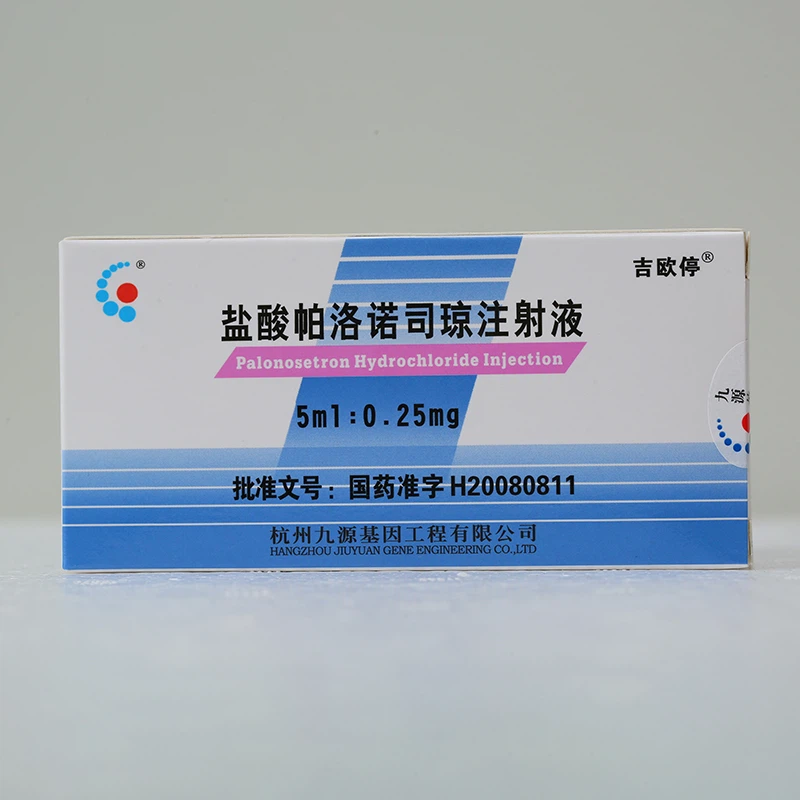
In addition to rhIL - 11 injection 1.5mg, our company also offers a range of other high - quality pharmaceutical products. For example, Fulvestrant– An Anti - cancer Drug ,CAS No.: 129453 - 61 - 8 is an anti - cancer drug used in the treatment of hormone - receptor - positive metastatic breast cancer. Another product, Daratumumab Injection - Multiple Myeloma (CD - 38 Mab), CAS No.: 945721 - 28 - 8, is specifically designed for the treatment of multiple myeloma. And Palonosetron Hydrochloride Injection– Anti - emesis After Chemotherapy Or Radiotherapy, CAS No.: 135729 - 62 - 3, Palonosetron Hydrochloride Injection 0.25mg/5ml, 0.075mg/1.5ml is used to prevent nausea and vomiting caused by chemotherapy or radiotherapy.
Conclusion
The use of rhIL - 11 injection 1.5mg in patients with a history of stroke is a complex decision that requires careful consideration of the individual patient's circumstances. While rhIL - 11 can be effective in preventing thrombocytopenia, the potential risks of thrombosis and other cardiovascular events need to be weighed against the benefits. Close monitoring and an individualized approach are crucial to ensure the safety and well - being of these patients.
If you are a medical professional or a patient interested in learning more about rhIL - 11 injection 1.5mg or our other pharmaceutical products, we encourage you to contact us for further information and to discuss potential procurement opportunities. Our team of experts is dedicated to providing high - quality products and professional support to meet your needs.
References
- [List of relevant medical research papers on rhIL - 11 and its use in different patient populations]
- [Clinical guidelines on the management of thrombocytopenia and the use of thrombopoietic agents]
- [Studies on the pathophysiology of stroke and its associated risk factors]