

Can PegFilgrastim injection be used in patients with kidney problems?
Pegfilgrastim injection is a well - known medication used in the medical field, particularly in oncology and hematology. Its main function is to stimulate the production of white blood cells, specifically neutrophils, which play a crucial role in the body's immune defense. As a supplier of Pegfilgrastim injection, I often receive inquiries from medical professionals and patients about its suitability for various patient populations, including those with kidney problems. In this blog, we will delve into the question of whether Pegfilgrastim injection can be used in patients with kidney problems.
Understanding Pegfilgrastim Injection
Pegfilgrastim is a pegylated form of filgrastim, a recombinant human granulocyte - colony stimulating factor (G - CSF). By adding a polyethylene glycol (PEG) moiety to filgrastim, the half - life of the drug is significantly extended, allowing for less frequent dosing compared to filgrastim. This makes it a more convenient option for patients undergoing chemotherapy, which often suppresses the bone marrow and leads to neutropenia, a condition characterized by a low number of neutrophils in the blood. Neutropenia increases the risk of infections, and Pegfilgrastim helps to prevent or reduce the duration of this condition.
The Role of the Kidneys in Drug Metabolism and Excretion
The kidneys are vital organs in the human body, responsible for filtering waste products, excess water, and toxins from the blood. They also play a key role in drug metabolism and excretion. Many drugs are either partially or completely eliminated from the body through the kidneys. When a patient has kidney problems, such as chronic kidney disease (CKD), acute kidney injury (AKI), or end - stage renal disease (ESRD), the normal function of the kidneys is impaired. This can affect the pharmacokinetics of drugs, including their absorption, distribution, metabolism, and excretion.
Pharmacokinetics of Pegfilgrastim in Patients with Kidney Problems
Studies have shown that the pharmacokinetics of Pegfilgrastim may be altered in patients with kidney problems. In patients with CKD, the clearance of Pegfilgrastim may be reduced due to decreased renal function. This can lead to higher plasma concentrations of the drug and a longer half - life. For example, a study conducted on patients with different stages of CKD found that the area under the curve (AUC) of Pegfilgrastim, which reflects the total exposure to the drug, was increased in patients with more severe kidney impairment.
However, despite the changes in pharmacokinetics, the safety and efficacy of Pegfilgrastim in patients with kidney problems have been evaluated in several clinical trials. In general, Pegfilgrastim has been shown to be effective in stimulating neutrophil production in these patients. It can still help to prevent or reduce the duration of neutropenia, which is crucial for patients undergoing chemotherapy.
Safety Considerations
When considering the use of Pegfilgrastim in patients with kidney problems, safety is a major concern. One of the potential side effects of Pegfilgrastim is bone pain, which is thought to be related to the stimulation of bone marrow activity. In patients with kidney problems, the risk of bone pain may be similar to that in patients with normal kidney function. However, other potential side effects, such as splenic rupture, although rare, need to be carefully monitored.
In addition, patients with kidney problems may have other comorbidities, such as anemia, hypertension, and electrolyte imbalances. These comorbidities can interact with the use of Pegfilgrastim and may require additional management. For example, patients with anemia may need to have their hemoglobin levels closely monitored, as Pegfilgrastim may not directly affect anemia but the overall treatment plan may need to be adjusted.
Clinical Guidelines and Recommendations
Clinical guidelines play an important role in guiding the use of Pegfilgrastim in patients with kidney problems. Most guidelines recommend that Pegfilgrastim can be used in patients with kidney problems, but with careful monitoring. The dosing may need to be adjusted based on the patient's renal function. For example, in patients with mild to moderate CKD, the standard dose of Pegfilgrastim may be appropriate, but in patients with severe CKD or ESRD, a lower dose or more cautious dosing schedule may be considered.
It is also important for healthcare providers to assess the overall health status of the patient, including their comorbidities, before prescribing Pegfilgrastim. Close monitoring of blood counts, including neutrophil counts, and kidney function parameters, such as serum creatinine and estimated glomerular filtration rate (eGFR), is essential during treatment.
Real - World Experience
In real - world clinical practice, many oncologists and hematologists have experience using Pegfilgrastim in patients with kidney problems. Based on their experience, when used appropriately and with proper monitoring, Pegfilgrastim can be a valuable tool in the management of patients undergoing chemotherapy, even those with kidney impairment. For example, in a case series of patients with CKD who received chemotherapy and Pegfilgrastim, most patients were able to tolerate the treatment well, and the incidence of neutropenia - related complications was reduced.
Other Related Oncology Injections
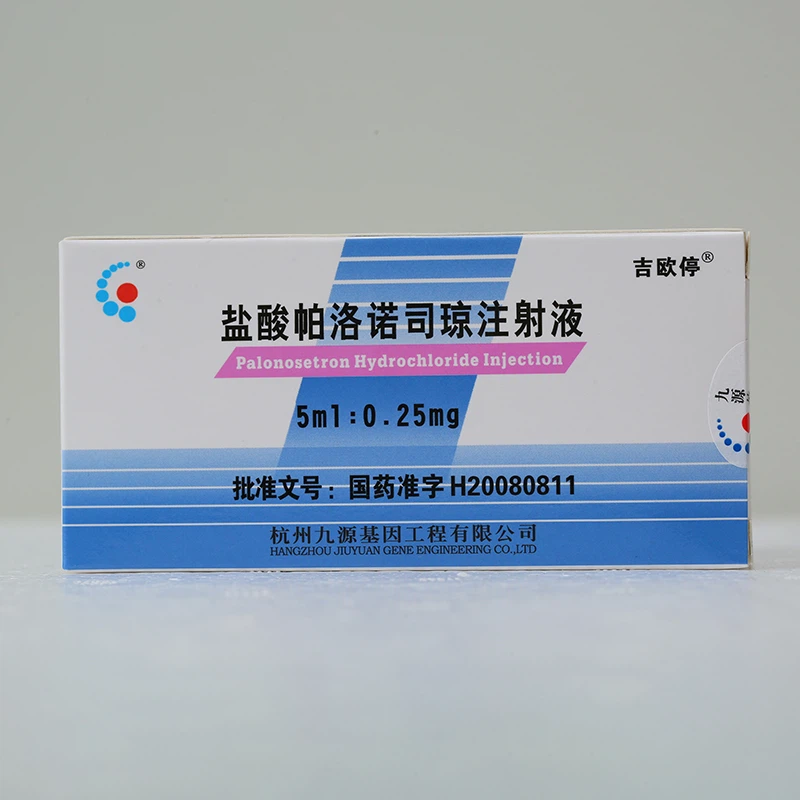
In addition to Pegfilgrastim, there are other important oncology injections that may be used in patients undergoing chemotherapy. For example, Palonosetron Hydrochloride Injection– Anti - emesis After Chemotherapy Or Radiotherapy, CAS No.: 135729 - 62 - 3, Palonosetron Hydrochloride Injection 0.25mg/5ml, 0.075mg/1.5ml is used to prevent nausea and vomiting caused by chemotherapy or radiotherapy. It is a highly effective anti - emetic drug that can significantly improve the quality of life of patients during treatment.
Another important injection is Fulvestrant Injection– An Anti - cancer Drug,CAS No.: 129453 - 61 - 8, Bulk and Injection (PFS): 250mg in 5ml. It is used in the treatment of hormone - receptor - positive metastatic breast cancer. Fulvestrant works by blocking the estrogen receptor, which is important for the growth and survival of breast cancer cells.
Romosozumab Injection - Osteoporosis, CAS: 909395 - 70 - 6 is also relevant in the oncology setting, especially for patients who may develop osteoporosis as a side effect of chemotherapy or hormonal therapy. It can help to increase bone density and reduce the risk of fractures.
Conclusion and Call to Action
In conclusion, Pegfilgrastim injection can generally be used in patients with kidney problems, but with careful consideration and monitoring. The changes in pharmacokinetics in these patients need to be taken into account, and the dosing may need to be adjusted. Healthcare providers should assess the overall health status of the patient and closely monitor for potential side effects.

As a supplier of Pegfilgrastim injection, we are committed to providing high - quality products and supporting healthcare providers in the proper use of our medications. If you are a healthcare professional interested in learning more about our Pegfilgrastim injection or other oncology products, or if you are involved in procurement and would like to discuss purchasing options, please do not hesitate to contact us. We look forward to the opportunity to work with you and contribute to the better treatment of patients.
References
- Dale DC, et al. “Efficacy and safety of pegylated filgrastim compared with filgrastim in reducing the incidence of chemotherapy - induced neutropenia in patients with breast cancer.” Journal of Clinical Oncology.
- Coiffier B, et al. “Final results of a randomized, double - blind, placebo - controlled, multicenter phase III study to evaluate the efficacy and safety of pegfilgrastim for the prevention of febrile neutropenia in patients with non - Hodgkin's lymphoma receiving CHOP - like chemotherapy.” Journal of Clinical Oncology.
- National Comprehensive Cancer Network (NCCN) Guidelines for Myeloid Growth Factors.
- Kidney Disease: Improving Global Outcomes (KDIGO) Clinical Practice Guidelines for Acute Kidney Injury.