

Can Oncology Injections be used for multiple types of cancer simultaneously?
Can Oncology Injections be used for multiple types of cancer simultaneously?
As a seasoned supplier of oncology injections, I've often been asked whether these powerful medications can be used to treat multiple types of cancer at the same time. This is a complex and crucial question in the field of oncology, and it requires a deep understanding of both the drugs and the nature of different cancers.
Understanding Oncology Injections
Oncology injections are a vital part of cancer treatment. They deliver potent anti - cancer agents directly into the bloodstream, allowing for a more targeted and immediate effect on cancer cells. There are various types of oncology injections, including chemotherapy drugs, targeted therapies, and immunotherapies. Each type works in a different way to combat cancer.
Chemotherapy drugs, for example, are designed to kill rapidly dividing cells, which includes cancer cells. However, they can also affect normal cells that divide quickly, such as those in the bone marrow, hair follicles, and digestive tract, leading to side effects. Targeted therapies, on the other hand, are more precise. They target specific molecules or pathways that are involved in the growth, progression, and spread of cancer cells. Immunotherapies boost the body's immune system to recognize and attack cancer cells.
The Concept of Treating Multiple Cancers Simultaneously
The idea of using oncology injections to treat multiple types of cancer at once is appealing. It could potentially save time, reduce the number of treatment regimens, and improve the overall quality of life for patients. However, it's not as straightforward as it sounds.
Different cancers have different genetic mutations, growth patterns, and biological behaviors. For instance, breast cancer and lung cancer have distinct molecular profiles. Breast cancer may be driven by hormone receptors or HER2 overexpression, while lung cancer can be associated with mutations in genes like EGFR or ALK. This means that a drug that is effective against one type of cancer may not work for another.
Case - by - Case Consideration
There are some cases where oncology injections can be used for multiple types of cancer. Some broad - spectrum chemotherapy drugs, such as cisplatin, have been used in the treatment of various solid tumors, including ovarian, testicular, and bladder cancers. Cisplatin works by binding to DNA and preventing its replication, which is a common mechanism in many types of cancer cells.
Another example is immunotherapy. Drugs like pembrolizumab have been approved for the treatment of multiple cancers, including melanoma, non - small cell lung cancer, and head and neck squamous cell carcinoma. Pembrolizumab works by blocking the PD - 1 pathway, which is a mechanism that cancer cells use to evade the immune system. Since many types of cancer use this pathway, pembrolizumab can be effective across different cancer types.
However, it's important to note that even in these cases, the response can vary from patient to patient. Some patients may experience significant benefits, while others may have minimal or no response at all.
The Role of Targeted Therapies
Targeted therapies offer a more personalized approach to cancer treatment. They are designed to target specific genetic mutations or proteins that are unique to a particular cancer. For example, Fulvestrant– An Anti - cancer Drug ,CAS No.: 129453 - 61 - 8 is a targeted therapy used in the treatment of hormone - receptor - positive breast cancer. It works by binding to estrogen receptors and blocking their activity, which inhibits the growth of breast cancer cells. Since this mechanism is specific to breast cancer with certain receptor profiles, it is not typically used for other types of cancer.
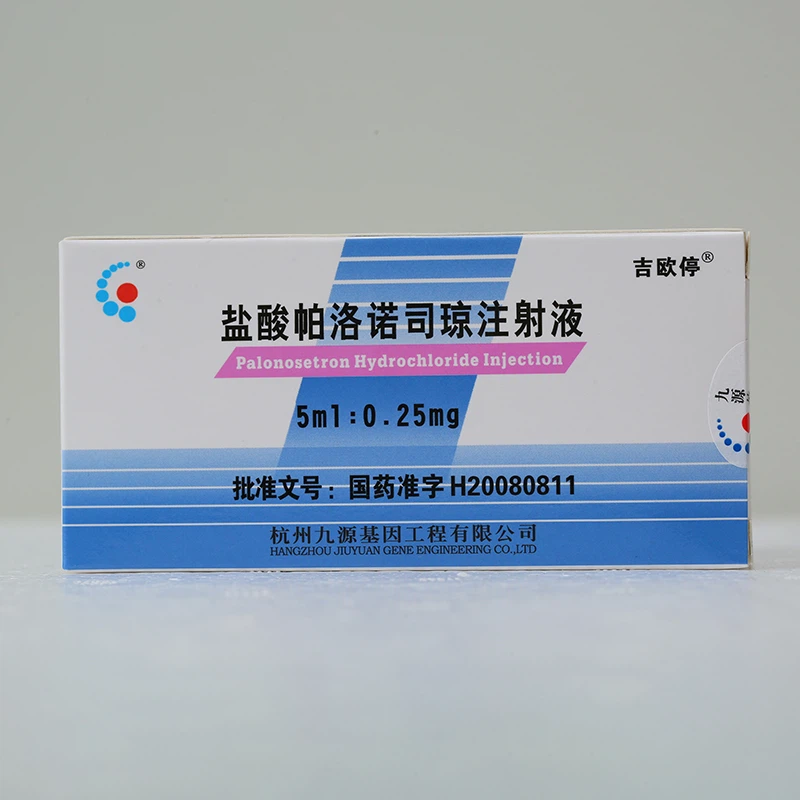
Similarly, Palonosetron Hydrochloride Injection– Anti - emesis After Chemotherapy Or Radiotherapy, CAS No.: 135729 - 62 - 3, Palonosetron Hydrochloride Injection 0.25mg/5ml, 0.075mg/1.5ml is an injection used to prevent nausea and vomiting caused by chemotherapy or radiotherapy. While it is an important part of cancer treatment, it is not a direct anti - cancer drug and is not used to treat multiple types of cancer.
The Importance of Clinical Trials
Clinical trials play a crucial role in determining whether oncology injections can be used for multiple types of cancer. These trials involve testing new drugs or combinations of drugs in a controlled setting to evaluate their safety and efficacy. Researchers look for patterns of response across different cancer types to see if a particular drug or treatment regimen can be applied more broadly.
For example, a clinical trial might test a new targeted therapy in patients with different types of solid tumors. If the drug shows promising results in multiple cancer types, it could potentially lead to new treatment options for patients.
Our Offerings as an Oncology Injection Supplier
As a supplier of oncology injections, we offer a wide range of products, including Fulvestrant Injection– An Anti - cancer Drug,CAS No.: 129453 - 61 - 8, Bulk and Injection (PFS): 250mg in 5ml. Our products are sourced from reliable manufacturers and undergo strict quality control measures to ensure their safety and efficacy.
We understand the importance of providing high - quality oncology injections to healthcare providers and patients. Whether it's a targeted therapy for a specific type of cancer or a supportive care injection to manage side effects, we are committed to meeting the needs of the oncology community.

Conclusion
In conclusion, while there are some instances where oncology injections can be used for multiple types of cancer, it is not a one - size - fits - all solution. Each cancer is unique, and treatment decisions should be based on a thorough understanding of the patient's condition, the molecular profile of the cancer, and the available evidence from clinical trials.
If you are a healthcare provider or an organization interested in sourcing high - quality oncology injections, we invite you to contact us for procurement and further discussions. We are dedicated to providing the best products and services to support the fight against cancer.
References
- American Cancer Society. (2023). Types of Cancer Treatment.
- National Cancer Institute. (2023). Targeted Cancer Therapies.
- European Society for Medical Oncology. (2023). Clinical Practice Guidelines in Oncology.