

How do Oncology Injections influence the body's metabolism?
Oncology injections play a crucial role in cancer treatment, and their impact on the body's metabolism is a topic of significant interest. As a supplier of oncology injections, I have witnessed firsthand the profound effects these medications can have on patients' metabolic processes. In this blog post, I will explore how oncology injections influence the body's metabolism, discuss specific examples of oncology injections, and highlight the importance of understanding these effects for both patients and healthcare providers.

The Basics of Metabolism and Cancer
Metabolism refers to the complex set of chemical reactions that occur within the body to maintain life. It encompasses processes such as digestion, energy production, and the synthesis of essential molecules. Cancer cells have unique metabolic characteristics that allow them to grow and proliferate rapidly. They often rely on alternative metabolic pathways to meet their increased energy demands, which can disrupt normal metabolic functions in the body.
Oncology injections are designed to target cancer cells directly or to modulate the immune system to fight cancer. These injections can have a variety of effects on the body's metabolism, both directly and indirectly. Understanding these effects is essential for optimizing treatment outcomes and managing potential side effects.
Direct Effects of Oncology Injections on Metabolism
Some oncology injections directly target cancer cells' metabolic pathways. For example, certain chemotherapy drugs interfere with the synthesis of DNA and RNA, which are essential for cell division. By disrupting these processes, chemotherapy drugs can slow down or stop the growth of cancer cells. However, these drugs can also affect normal cells that are rapidly dividing, such as those in the bone marrow, gastrointestinal tract, and hair follicles, leading to side effects such as fatigue, nausea, and hair loss.
Other oncology injections target specific enzymes or proteins involved in cancer cell metabolism. For instance, targeted therapies can block the activity of proteins that are overexpressed in cancer cells, such as growth factor receptors. By inhibiting these proteins, targeted therapies can prevent cancer cells from receiving the signals they need to grow and divide. These drugs can have a more specific effect on cancer cells compared to traditional chemotherapy, resulting in fewer side effects on normal cells.
Indirect Effects of Oncology Injections on Metabolism
In addition to their direct effects on cancer cells, oncology injections can also have indirect effects on the body's metabolism. For example, some injections can stimulate the immune system to recognize and attack cancer cells. This immune response can lead to the release of cytokines, which are signaling molecules that can affect metabolism. Cytokines can increase the body's energy expenditure, leading to weight loss and muscle wasting. They can also affect appetite and nutrient absorption, further contributing to metabolic changes.
Oncology injections can also cause hormonal imbalances, which can have a significant impact on metabolism. For example, some chemotherapy drugs can damage the ovaries or testes, leading to reduced production of sex hormones. These hormonal changes can affect metabolism, body composition, and bone health. Additionally, some oncology injections can affect the function of the thyroid gland, which plays a key role in regulating metabolism.
Specific Examples of Oncology Injections and Their Metabolic Effects
Let's take a closer look at some specific oncology injections and their effects on metabolism:
-
PegFilgrastim Injection– A Long Lasting RhG-CSF, CAS No.: 208265-92-3, Bulk and Injection (PFS): 6mg in 0.6ml PegFilgrastim Injection– A Long Lasting RhG-CSF, CAS No.: 208265-92-3, Bulk and Injection (PFS): 6mg in 0.6ml
Pegfilgrastim is a long-acting form of recombinant human granulocyte colony-stimulating factor (rhG-CSF). It is used to stimulate the production of white blood cells in patients undergoing chemotherapy. By increasing the number of white blood cells, pegfilgrastim helps to reduce the risk of infection. While pegfilgrastim does not directly target cancer cells, it can have an impact on metabolism by increasing the body's energy expenditure due to the increased production of white blood cells. -
Daratumumab Injection - Multiple Myeloma (CD-38 Mab), CAS No.: 945721-28-8 Daratumumab Injection - Multiple Myeloma (CD-38 Mab), CAS No.: 945721-28-8
Daratumumab is a monoclonal antibody that targets CD38, a protein that is highly expressed on the surface of multiple myeloma cells. By binding to CD38, daratumumab can trigger the immune system to attack and destroy multiple myeloma cells. The immune response activated by daratumumab can lead to the release of cytokines, which can affect metabolism. Patients may experience fatigue, weight loss, and changes in appetite as a result of these metabolic effects. -
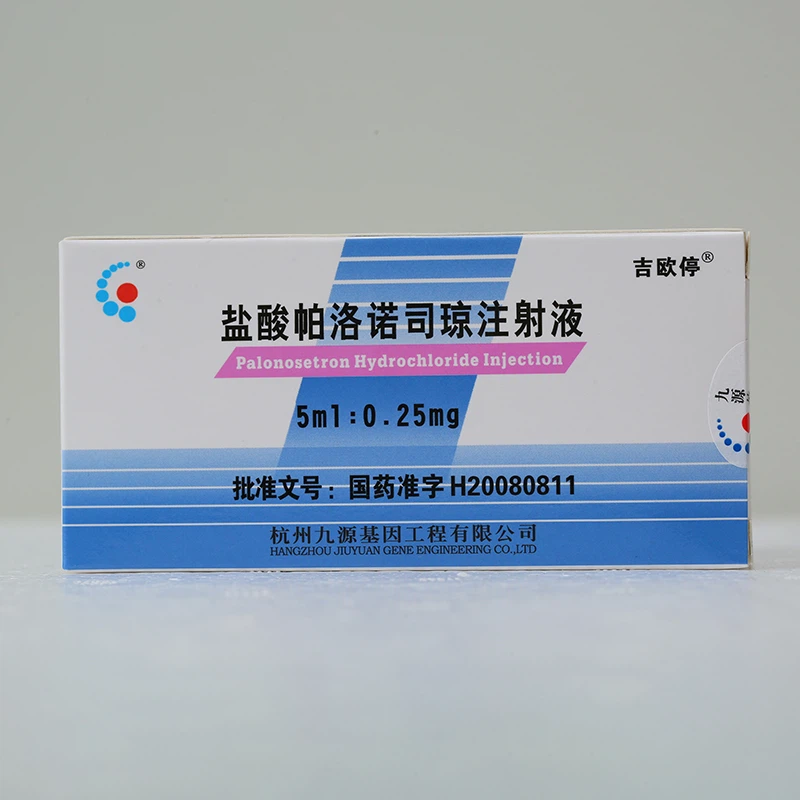
Palonosetron Hydrochloride Injection– Anti-emesis After Chemotherapy Or Radiotherapy, CAS No.: 135729-62-3, Palonosetron Hydrochloride Injection 0.25mg/5ml, 0.075mg/1.5ml Palonosetron Hydrochloride Injection– Anti-emesis After Chemotherapy Or Radiotherapy, CAS No.: 135729-62-3, Palonosetron Hydrochloride Injection 0.25mg/5ml, 0.075mg/1.5ml
Palonosetron is an antiemetic drug used to prevent nausea and vomiting caused by chemotherapy or radiotherapy. While palonosetron does not directly target cancer cells, it can have an impact on metabolism by improving patients' ability to eat and maintain proper nutrition. By reducing nausea and vomiting, palonosetron can help patients avoid weight loss and malnutrition, which are common side effects of cancer treatment.
Importance of Monitoring Metabolism During Cancer Treatment
Given the significant impact of oncology injections on metabolism, it is essential to monitor patients' metabolic status during cancer treatment. This can help healthcare providers identify and manage potential side effects, optimize treatment outcomes, and improve patients' quality of life.
Monitoring metabolism may involve regular measurements of body weight, body composition, and laboratory tests to assess blood glucose, lipid levels, and other metabolic parameters. Based on these measurements, healthcare providers can adjust treatment plans, recommend dietary modifications, and provide appropriate support to help patients maintain a healthy metabolism.
Conclusion
Oncology injections have a profound impact on the body's metabolism, both directly and indirectly. Understanding these effects is crucial for optimizing cancer treatment outcomes and managing potential side effects. As a supplier of oncology injections, I am committed to providing high-quality products and supporting healthcare providers in their efforts to improve patients' health.
If you are interested in learning more about our oncology injection products or have any questions regarding their impact on metabolism, please do not hesitate to contact us for further discussion and potential procurement opportunities.
References
- Hanahan D, Weinberg RA. Hallmarks of cancer: the next generation. Cell. 2011;144(5):646-674.
- Vander Heiden MG, Cantley LC, Thompson CB. Understanding the Warburg effect: the metabolic requirements of cell proliferation. Science. 2009;324(5930):1029-1033.
- Fearon K, Strasser F, Anker P, et al. Definition and classification of cancer cachexia: an international consensus. Lancet Oncol. 2011;12(5):489-495.
- Mantovani A, Allavena P, Sica A, et al. Cancer-related inflammation. Nature. 2008;454(7203):436-444.