

Can Fulvestrant injection be used in patients with heart problems?
Can Fulvestrant injection be used in patients with heart problems?
Hey there! I'm a supplier of Fulvestrant injection, and I often get asked this question: Can Fulvestrant injection be used in patients with heart problems? Well, let's dive right into it.
First off, what the heck is Fulvestrant injection? Fulvestrant is an anti - cancer drug, to be precise. You can find more details about it here: [Fulvestrant– An Anti - cancer Drug ,CAS No.: 129453 - 61 - 8](/finished - dosage - form/oncology - injection/fulvestrant - an - anti - cancer - drug - cas - no - 129453.html). It's mainly used to treat hormone - receptor - positive metastatic breast cancer in postmenopausal women. It works by blocking the estrogen receptors in breast cancer cells, which helps slow down or stop the growth of these cancer cells.
Now, when it comes to patients with heart problems, things get a bit tricky. Heart problems can range from mild arrhythmias to more severe conditions like heart failure or coronary artery disease. The safety and effectiveness of Fulvestrant in patients with heart issues depend on several factors.
In general, Fulvestrant doesn't have a well - established direct cardiotoxic effect. Unlike some other chemotherapy drugs that can cause damage to the heart muscle, Fulvestrant doesn't seem to mess with the heart's normal function in a major way. However, that doesn't mean we can just ignore the heart condition of the patient.
Let's think about it from a practical perspective. Patients with heart problems often have a reduced cardiac reserve. Their hearts are already working hard to pump blood and keep the body functioning. When we introduce any new drug, there's always a risk of adding extra stress to the heart. Even if Fulvestrant itself doesn't directly harm the heart, the body's overall response to the drug could potentially affect the heart indirectly.
For example, Fulvestrant can cause side effects like fatigue, dizziness, and nausea. These side effects might not seem directly related to the heart, but they can put additional strain on a heart that's already struggling. A patient who feels fatigued may be less active, which can lead to a decrease in blood circulation and potentially affect the heart's workload.
Another aspect to consider is the patient's overall medical history. If a patient has a history of heart disease, they may be taking other medications to manage their heart condition. These medications can interact with Fulvestrant, either increasing the risk of side effects or reducing the effectiveness of one or both drugs.
So, what should doctors do when considering using Fulvestrant in a patient with heart problems? Well, first of all, they need to conduct a thorough assessment of the patient's heart condition. This may involve doing an electrocardiogram (ECG) to check the heart's electrical activity, an echocardiogram to evaluate the heart's structure and function, and measuring cardiac biomarkers in the blood.

Based on the results of these tests, doctors can get a better idea of how well the patient's heart is functioning and whether it can tolerate the potential stress of Fulvestrant treatment. If the patient has mild heart problems and the benefits of Fulvestrant in treating their breast cancer outweigh the potential risks, then the doctor may decide to go ahead with the treatment. But they'll closely monitor the patient's heart function during the treatment.
On the other hand, if the patient has severe heart problems, the doctor may need to think twice. In some cases, they may look for alternative treatment options. There are other drugs available for treating breast cancer that may be less likely to affect the heart.
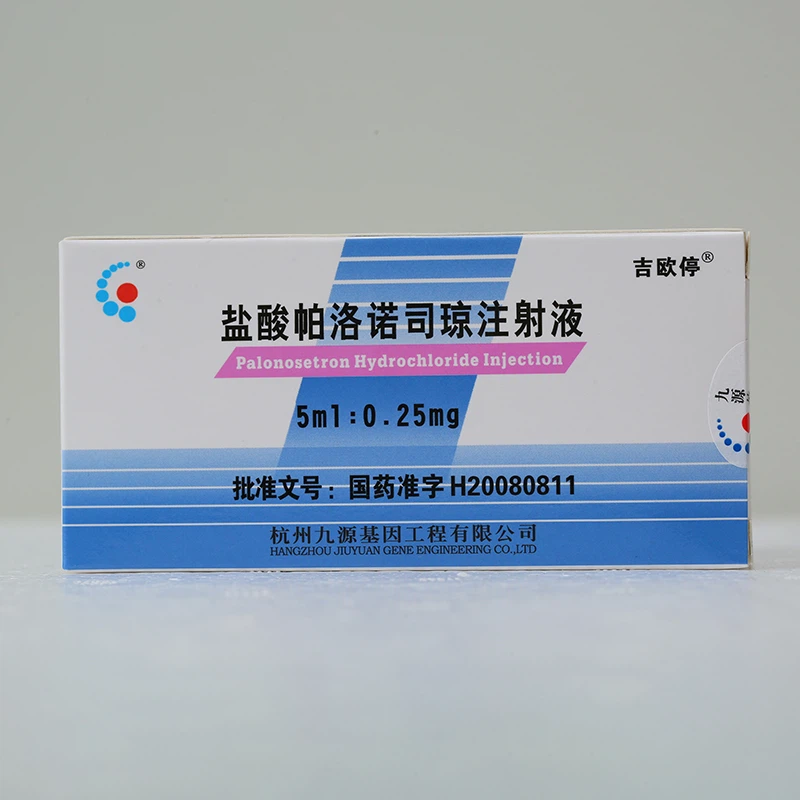
Now, while we're on the topic of cancer treatment, I'd also like to mention a couple of other products we supply. One is [Palonosetron Hydrochloride Injection– Anti - emesis After Chemotherapy Or Radiotherapy, CAS No.: 135729 - 62 - 3, Palonosetron Hydrochloride Injection 0.25mg/5ml, 0.075mg/1.5ml](/finished - dosage - form/oncology - injection/palonosetron - hydrochloride - injection - anti.html). This injection is great for preventing nausea and vomiting after chemotherapy or radiotherapy. It can really improve the quality of life for cancer patients during their treatment.
Another product is [Fosaprepitant Dimeglumine Injection, CAS No.: 265121 - 04 - 8, Bulk and Injection(vial)150mg/5ml](/finished - dosage - form/oncology - injection/fosaprepitant - dimeglumine - injection - cas - no.html). It's also used in combination with other anti - emetic agents to prevent acute and delayed nausea and vomiting associated with chemotherapy.
In conclusion, the use of Fulvestrant injection in patients with heart problems is a complex decision that needs to be made on a case - by - case basis. It's not a one - size - fits - all situation. Doctors need to weigh the potential benefits of treating the cancer against the possible risks to the heart.
If you're a healthcare provider or someone involved in the procurement of these drugs, and you're interested in learning more about our Fulvestrant injection, Palonosetron Hydrochloride Injection, or Fosaprepitant Dimeglumine Injection, don't hesitate to reach out for a procurement discussion. We're here to provide high - quality products and support your needs.

References:
- Product information leaflets of Fulvestrant, Palonosetron Hydrochloride, and Fosaprepitant Dimeglumine.
- Medical literature on the use of anti - cancer drugs in patients with comorbidities.